Exploring Sea Life Aquarium Grapevine TX A Marine Wonderland Unveiled

Published

Table of Contents

Beneath the bustling skyline of Grapevine Texas lies an underwater universe where sharks glide silently and vibrant coral reefs pulse with life Sea Life Aquarium Grapevine TX stands as a testament to marine conservation blending education adventure and breathtaking design into one immersive experience Since its inception the aquarium has not only captivated millions of visitors but also played a pivotal role in preserving fragile ocean ecosystems Its state-of-the-art facilities and thoughtfully curated exhibits transport guests from the icy depths of the polar regions to the sun-drenched tropical reefs right within the city limits

The aquarium’s journey mirrors the evolution of modern marine conservation marking key milestones like the introduction of the iconic shark tunnel and the expansion of interactive touch pools Each design element from the undulating architecture to the carefully balanced ecosystems reflects a commitment to both visitor engagement and scientific integrity Beyond its visual splendor Sea Life Aquarium Grapevine TX serves as a living classroom where every exhibit tells a story of survival resilience and the urgent need for ocean protection With cutting-edge technology and hands-on programs it bridges the gap between curiosity and conservation fostering a deeper connection between people and the marine world

Exploring Sea Life Aquarium Grapevine TX A Marine Wonderland Unveiled

Sea Life Aquarium Grapevine TX: A Gateway to Marine Wonders in North Texas
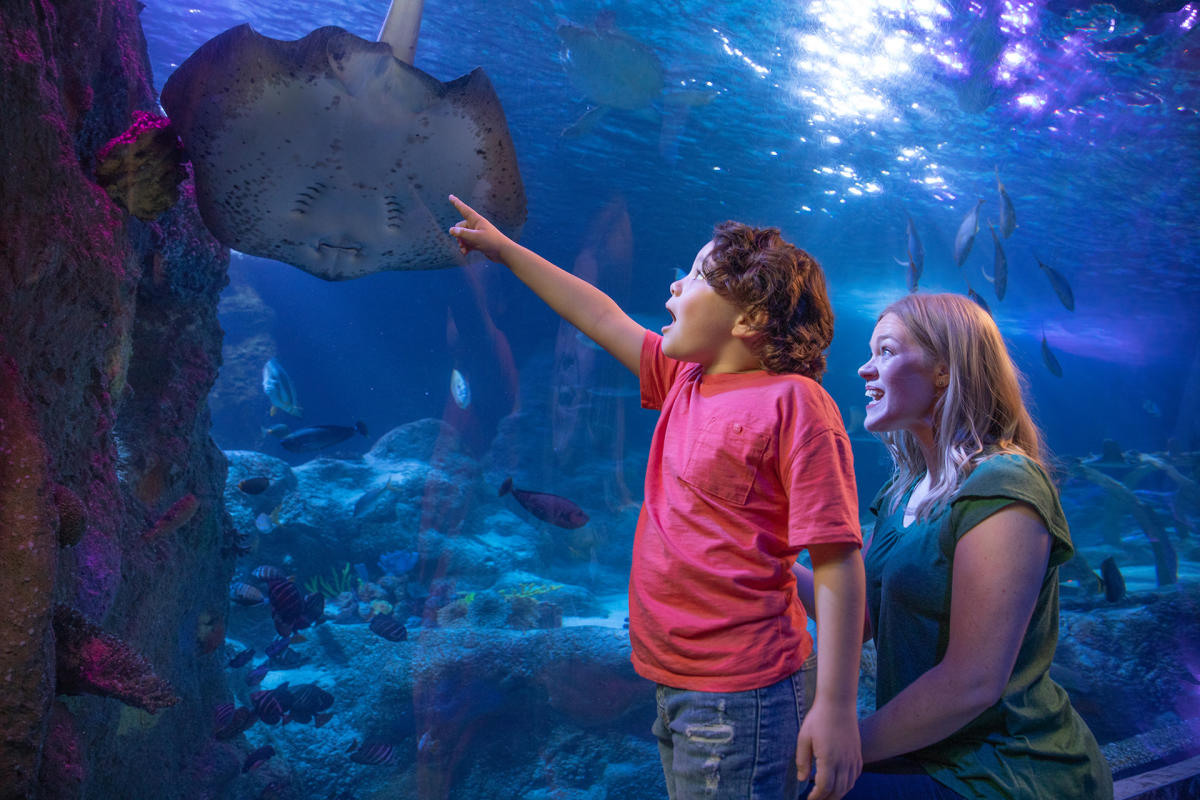
Exploring Sea Life Aquarium Grapevine TX A Marine Wonderland Unveiled

Sea Life Aquarium Grapevine, located in the vibrant city of Grapevine, Texas, stands as a premier destination for marine education and entertainment, blending cutting-edge aquarium technology with immersive design to captivate visitors of all ages. Since its inception, the aquarium has played a pivotal role in fostering environmental stewardship and scientific curiosity within the North Texas community. Positioned near the bustling Dallas-Fort Worth metroplex, it serves as a regional hub for marine conservation, offering a space where visitors can connect with aquatic ecosystems while supporting global conservation efforts. The aquarium’s strategic location and innovative approach to exhibit design have solidified its reputation as a must-visit attraction, drawing over 500,000 visitors annually—a testament to its growing influence in both tourism and conservation.

The aquarium’s physical layout is meticulously crafted to simulate natural marine environments, prioritizing visitor immersion through architectural and technological innovations. Upon entry, guests are greeted by a grand atrium featuring a 1.5-million-gallon central tank, one of the largest in Texas, which houses a diverse array of species, including sharks, rays, and tropical fish. The design incorporates biophilic elements, such as flowing water features, natural lighting systems, and organic shapes inspired by coral reefs and ocean currents. These details extend beyond aesthetics, serving functional purposes like temperature regulation and water circulation, which are critical for maintaining the health of marine life. The aquarium’s multi-level structure allows visitors to traverse different ecosystems seamlessly, from the cold-water habitats of the Arctic to the vibrant tropical reefs of the Indo-Pacific, all while providing unobstructed views of marine life through floor-to-ceiling acrylic panels.

Exploring Sea Life Aquarium Grapevine TX A Marine Wonderland Unveiled

Historical Milestones and Evolution of Sea Life Grapevine

Sea Life Aquarium Grapevine opened its doors in 2000 as part of the Merriweather Ranch Entertainment District, a development that aimed to transform Grapevine into a premier family destination. Its establishment marked a significant milestone in Texas aquarium history, offering a more accessible and interactive alternative to larger institutions like the Dallas World Aquarium or the Texas State Aquarium in Corpus Christi. Over the past two decades, the aquarium has undergone three major expansions and renovations, each introducing groundbreaking exhibits and conservation initiatives.

One of the most transformative phases occurred in 2012, when the aquarium unveiled the "Ocean Tunnel", a 120-foot-long underwater passage allowing visitors to walk beneath a 360-degree panoramic tank filled with 1.2 million gallons of water. This exhibit became a centerpiece, featuring a walk-through shark tunnel where guests can observe sand tiger sharks, nurse sharks, and other pelagic species in a near-natural setting. Another pivotal moment came in 2018 with the launch of "The Amazon: River of Life", a 100,000-gallon exhibit dedicated to the biodiversity of the Amazon Basin, highlighting the region’s unique freshwater ecosystems and the threats they face. The most recent addition, "Coral Reef Rescue" (2021), focuses on coral restoration and climate change impacts, incorporating interactive touch pools where visitors can handle anemones and sea stars while learning about reef conservation.

The aquarium’s commitment to sustainability and research has also evolved alongside its physical growth. In 2015, Sea Life Grapevine partnered with The Ocean Agency to launch a global coral restoration program, contributing to initiatives aimed at repopulating damaged reefs. Additionally, the aquarium collaborates with Texas A&M University-Galveston and NOAA (National Oceanic and Atmospheric Administration) on marine species recovery programs, including efforts to protect endangered species like the smalltooth sawfish and Atlantic sturgeon.

Architectural and Design Innovations Enhancing Visitor Immersion

Sea Life Aquarium Grapevine’s design philosophy centers on creating multi-sensory experiences that educate while entertaining. The aquarium’s open-concept layout minimizes barriers between visitors and marine life, using curved walkways, elevated viewing platforms, and strategic lighting to guide attention toward key exhibits. For instance, the "Shipwreck Lagoon" exhibit employs 3D projections and soundscapes to simulate the eerie ambiance of a sunken vessel, complete with bioluminescent jellyfish and moray eels. Similarly, the "Penguin Playhouse" incorporates thermal regulation technology to mimic the cold climates of the Antarctic, where visitors can observe African penguins in a habitat designed to replicate their natural behaviors.

The aquarium’s acoustic design plays a crucial role in enhancing immersion. Underwater speakers embedded in tanks produce realistic marine sounds, such as whale songs or the crackling of coral reefs, creating an auditory backdrop that deepens the connection to aquatic ecosystems. Additionally, the use of sustainable materials—such as recycled glass for tank construction and LED lighting powered by solar energy—reflects the aquarium’s dedication to environmental responsibility. These design choices not only elevate the visitor experience but also serve as educational tools, demonstrating how human actions can either harm or preserve marine environments.

Comparative Analysis: Sea Life Grapevine vs. Major Texas Aquariums

To contextualize Sea Life Grapevine’s offerings, the following table compares its key features with those of Dallas World Aquarium and Texas State Aquarium, two of the largest aquariums in the state. The comparison highlights distinctions in exhibit variety, visitor amenities, and conservation programs, providing insights into how each institution caters to different visitor preferences and educational goals.

Feature Sea Life Grapevine Dallas World Aquarium Texas State Aquarium
Exhibit Variety
  • 1.5-million-gallon central tank with pelagic species (sharks, rays).
  • Themed zones: Ocean Tunnel, Amazon River exhibit, Coral Reef Rescue.
  • Interactive touch pools (e.g., anemones, sea stars) with conservation messaging.
  • Arctic and Antarctic habitats with penguins and cold-water species.
  • Diverse ecosystems: Rainforests, deserts, and 10,000-gallon shark lagoon.
  • Walk-through aviary and butterfly garden in addition to marine exhibits.
  • Wildlife rescue center with live animal encounters (e.g., otters, reptiles).
  • Strong focus on global biodiversity, not limited to marine life.
  • Coastal Texas focus: Shipwreck lagoon, 1.5-million-gallon shark tunnel.
  • Sea turtle rescue center and touch tanks with local species (starfish, crabs).
  • Dolphin encounters and behind-the-scenes tours of conservation labs.
  • Emphasis on Gulf of Mexico ecosystems and migratory species.
Visitor Amenities
  • On-site dining: "The Reef Café" (seafood-focused) and "Coral Bites" (quick-service).
  • Retail store: "The Sea Life Shop" selling eco-friendly merchandise and educational toys.
  • Accessibility features: Wheelchair-accessible pathways, sensory-friendly hours, and ASL-guided tours.
  • Seasonal events: Holiday "Jellyfish Glow" (bioluminescent displays) and summer "Shark Week" programs.
  • Multiple dining options: "The Rainforest Café" (themed restaurant) and "The Aviary" (casual dining).
  • Large gift shop: "The World Market" with global souvenirs and conservation-themed gifts.
  • Extended hours and overnight camping (adjacent to a hotel).
  • Strong focus on family packages with combo tickets for aquarium and wildlife park.

Exploring Marine Life: Exhibits and Species at Sea Life Aquarium Grapevine

Sea Life Aquarium Grapevine transforms visitors into explorers of the ocean’s depths without leaving North Texas. Through meticulously designed exhibits and immersive environments, the aquarium showcases marine biodiversity while fostering conservation awareness. Each zone replicates natural habitats, from tropical coral reefs to icy Antarctic waters, housing species that captivate curiosity and inspire stewardship. The aquarium’s commitment to education and sustainability is evident in its cutting-edge care practices and interactive experiences, ensuring every visit is both entertaining and enlightening.

Iconic Exhibits and Their Resident Species

Sea Life Grapevine features five signature exhibits that highlight the diversity of marine ecosystems, each designed to replicate the natural habitats of its inhabitants with precision. The Shark Tunnel, a centerpiece attraction, allows visitors to walk through a 360-degree underwater viewing tube surrounded by sharks, including sandbar sharks, blacktip reef sharks, and bonnetheads—the world’s only known shark species that gives birth to live young. Adjacent to the tunnel, the Penguin Encounter introduces visitors to African penguins, known for their playful behaviors and monogamous pairings, while the Jellyfish Gallery showcases bioluminescent species like the moon jellyfish and compass jellyfish, whose translucent bodies pulse with ethereal grace. The Tropical Reef exhibit mirrors the vibrant coral ecosystems of the Indo-Pacific, home to clownfish, seahorses, and octopuses, while the Cold Water Caverns simulate the chilly depths of the North Atlantic, featuring starfish, sea urchins, and green moray eels. Each exhibit is curated to emphasize species interactions, conservation challenges, and human impacts, such as coral bleaching or overfishing, providing a narrative that extends beyond mere observation.

Species Spotlight: Five Unique Marine Animals and Their Conservation Stories

Sea Life Grapevine houses species that exemplify the fragility and resilience of marine ecosystems. The green sea turtle (Chelonia mydas), a resident of the Tropical Reef, faces threats from plastic pollution and habitat loss, yet its presence underscores the aquarium’s role in head-starting programs that raise hatchlings to increase survival rates in the wild. The giant Pacific octopus (Enteroctopus dofleini), known for its intelligence and problem-solving abilities, thrives in the Octopus Encounter, where visitors witness its ability to navigate mazes and communicate through color changes—a behavior critical to its survival in the wild, where it hunts using camouflage. The leafy seadragon (Phycodurus eques), a relative of the seahorse, inhabits the aquarium’s Australian Outback exhibit, showcasing its leaf-like appendages that provide perfect camouflage among seaweed. This species is vulnerable to climate change, as rising ocean temperatures disrupt its delicate reproductive cycles. Meanwhile, the Atlantic stingray (Hypanus sabinus), found in the touch pools, highlights the importance of sustainable fishing practices, as its populations are often affected by bycatch. Lastly, the clown triggerfish (Balistoides conspicillum), with its striking patterns, serves as an ambassador for coral reef conservation, as its presence indicates a healthy ecosystem.

Behind-the-Scenes: Aquarium Care and Conservation Practices

Maintaining the health of over 10,000 marine animals requires a multi-layered approach integrating technology, expertise, and sustainability. The aquarium’s closed-loop water treatment system recirculates and purifies water through biological filtration, ultraviolet sterilization, and mechanical filtration, reducing water usage by 90% compared to traditional systems. Feeding routines are tailored to each species, with nutritional specialists crafting diets that mimic natural prey—from live brine shrimp for seahorses to whole fish for larger predators like sharks. The aquarium’s in-house veterinary team conducts regular health checks, including non-invasive ultrasounds for pregnant penguins and parasite treatments for fish, ensuring early intervention for diseases. Conservation programs extend beyond the aquarium’s walls, with initiatives like coral propagation and sea turtle rehabilitation partnering with organizations such as Coral Reef Alliance and Sea Turtle Inc. Staff also participate in citizen science projects, tracking species behaviors and environmental data to contribute to global research efforts. The aquarium’s sustainability commitments include energy-efficient LED lighting, recycled materials in exhibit design, and plastic-free policies, aligning with its mission to protect marine life.

Touch Pools: Safety, Education, and Species Interactions

Sea Life Grapevine’s touch pools offer a hands-on connection with marine life, featuring species like starfish, hermit crabs, and small rays, carefully selected for their docile temperaments and educational value. Unlike touch pools in other facilities, which often prioritize novelty (e.g., stingrays or sharks), Grapevine’s pools emphasize conservation messaging, educating visitors about habitat destruction and human impacts on marine species. Safety protocols are stringent: all touch pools are chlorine-treated to prevent infections, and visitors are instructed to wash hands and avoid touching sensitive areas like gills or eyes. The interactive design of the pools encourages observation of species behaviors, such as how hermit crabs change shells or how starfish regenerate limbs. Staff-led live demonstrations further enrich the experience, explaining how coral polyps build reefs or how sea urchins contribute to nutrient cycling. Unlike aquariums that rely solely on tactile experiences, Sea Life Grapevine integrates digital signage near touch pools, providing real-time data on species lifespans, diets, and threats, bridging the gap between physical interaction and scientific understanding.

Blockquote: Expert Insights on Marine Ecosystem Challenges

"Maintaining a diverse marine ecosystem in captivity is like conducting an orchestra—every species has its own rhythm, and if one instrument falls out of sync, the entire performance suffers. At Sea Life Grapevine, our biggest challenge is replicating the dynamic interactions of the wild, such as predator-prey relationships or symbiotic bonds between fish and coral. For example, our green sea turtles rely on a balanced diet of seagrass and jellyfish, but in captivity, we must ensure they don’t develop nutritional deficiencies that could mimic real-world habitat degradation." — Dr. Elena Vasquez, Marine Biologist and Senior Curator, Sea Life Aquarium Grapevine
"The touch pools are more than just a sensory experience; they’re a classroom. When visitors handle a starfish and learn that it’s 95% water—just like their own bodies—it creates an emotional connection to conservation. However, the real test is translating that connection into action. That’s why we pair touch interactions with clear calls to action, like reducing plastic use or supporting sustainable seafood, to turn curiosity into advocacy." — Mark Thompson, Education Director, Sea Life Aquarium Grapevine

Technology as a Bridge Between Visitors and Marine Life

Sea Life Grapevine leverages innovative technology to offer real-time engagement with marine life, blurring the lines between observation and participation. Underwater cameras embedded in exhibits provide live-streaming feeds accessible via the aquarium’s app or website, allowing visitors to monitor shark movements, penguin nesting behaviors, or coral growth remotely. The "Dive Into Discovery" VR experience transports users into a virtual coral reef, where they can "swim" alongside tropical fish and witness the effects of ocean acidification—a tool used in educational programs to illustrate climate change impacts. Interactive kiosks throughout the aquarium offer augmented reality (AR) experiences, such as scanning a QR code to see a 3D model of a seahorse’s anatomy or learning how plastic pollution affects marine animals. The "Adopt an Animal" digital program enables visitors to symbolically adopt a species, receiving monthly updates on its health and habitat, fostering long-term engagement. Additionally, the aquarium’s social media integration allows users to vote on feeding times or submit questions to marine biologists, creating a two-way dialogue that enhances learning.

Educational and Interactive Programs for All Ages at Sea Life Grapevine

Sea Life Aquarium Grapevine transforms marine education into an immersive, engaging experience tailored for every visitor. Beyond showcasing marine biodiversity, the aquarium fosters a deeper understanding of ocean ecosystems through structured workshops, hands-on activities, and expert-led sessions. These programs align with global marine conservation goals while ensuring accessibility for families, students, and enthusiasts of all ages. From toddlers to seniors, participants leave with actionable knowledge about marine life preservation, often sparking lifelong curiosity about aquatic environments.

Educational Workshops and Their Target Demographics

Sea Life Grapevine offers thematic workshops designed to align with educational standards and visitor interests, delivered by marine biologists and conservation experts. Topics range from coral reef restoration—highlighting the fragility of ecosystems like the Great Barrier Reef—to shark biology, debunking myths about apex predators through interactive discussions. For younger audiences (ages 5–12), workshops focus on basic marine ecology, such as food chains in the ocean or the role of plankton. Older children and adults explore advanced themes like ocean pollution and sustainable fishing practices, with case studies from the Gulf of Mexico. Workshops are categorized by age and complexity:
  • For Ages 5–9: "Little Explorers" series introduces simple concepts like "What Lives in the Deep Sea?" using storytelling and visual aids.
  • For Ages 10–14: "Marine Scientists in Training" delves into topics like coral bleaching or endangered species, with hands-on experiments (e.g., testing water salinity).
  • For Teens and Adults: "Conservation Leaders" workshops cover policy impacts on marine life, featuring guest speakers from NGOs like The Ocean Foundation.
  • Scheduling varies by season, with weekday mornings reserved for school groups and weekends hosting public sessions. Advanced registration is required for workshops, often bundled with general admission or available as standalone tickets.

    Hands-On Activities and Child-Friendly Engagement

    Interactive activities at Sea Life Grapevine blend creativity with conservation, ensuring children retain lessons through play. Craft stations allow visitors to design adopt-a-sea-creature ornaments, with proceeds supporting local marine protection initiatives. For example, a "Build Your Own Coral Reef" activity uses recycled materials to teach biodiversity, while a "Touch Tank Craft Day" lets kids create sea creature puppets to "rescue" from a simulated oil spill. Scavenger hunts, such as the "Ocean Detective Challenge," guide families through exhibits to spot species like clownfish or seahorses, with clues tied to conservation facts. Digital scavenger hunts via the aquarium’s app offer augmented reality (AR) features, like identifying a shark’s teeth from a fossil exhibit. Interactive games include:
  • "Save the Sea Turtle" – A board game where players navigate obstacles (e.g., plastic pollution) to reach nesting sites.
  • "Pollution Cleanup Challenge" – Teams race to "remove" trash from a simulated ocean using nets and sorting bins.
  • These activities align with early STEM education, with take-home guides for parents to extend learning. For instance, the "Junior Marine Biologist Kit" includes a magnifying glass, a mini field notebook, and a quiz to reinforce exhibit observations.

    Guided Tours and Specialist Talks: Behind-the-Scenes and Thematic Experiences

    Exclusive guided tours and talks provide deeper insights into the aquarium’s operations and marine science. The "Behind the Scenes" tour (available daily at 11 AM and 3 PM) offers access to restricted areas, including the rehabilitation tanks where injured sea turtles or rays recover. Visitors learn about diet preparation for sharks or the water filtration systems that mimic natural habitats. Thematic tours include:
  • "Night at the Aquarium" (Weekend Special): A twilight experience with dimmed lights to observe nocturnal marine behavior, such as bioluminescent plankton and coral polyps feeding.
  • "Shark Encounter" (Weekday Afternoon): Led by ichthyologists, this session explores shark anatomy and electrosensory systems using interactive models.
  • "Conservation in Action" (Monthly): Features partnerships with organizations like Mote Marine Laboratory, discussing real-world projects like seagrass restoration in Texas bays.
  • Specialist talks, often free with admission, cover topics like "The Science of Jellyfish" or "Coral Reefs: The Rainforests of the Sea." These sessions are recorded and shared on the aquarium’s YouTube channel for remote learning.

    Comparison of Family-Friendly Programs: Sea Life Grapevine vs. Similar Aquariums

    Below is a comparative table highlighting how Sea Life Grapevine’s programs stack up against other major U.S. aquariums, focusing on duration, cost, uniqueness, and accessibility.
    Program Type Sea Life Grapevine Georgia Aquarium (Atlanta) New England Aquarium (Boston) Shedd Aquarium (Chicago)
    Workshop Duration & Frequency 60–90 mins; Weekly (weekdays for schools, weekends public). Seasonal intensives (e.g., "Summer Science Camp"). 90–120 mins; Daily (limited slots). Summer "Camp Aquarium" programs. 45–75 mins; Bi-weekly. "Ocean Explorers" for ages 3–8. 75–105 mins; Monthly. "Aquarium Adventures" for families.
    Cost & Booking $15–$25 per person (workshops); $50–$75 for multi-session camps. Online booking via website. $20–$30 per person; $80 for "Behind-the-Scenes" tours. Requires timed entry. $10–$20 (free for members); $40 for "Sea Dragon" overnight camp. Walk-ins allowed for some. $25–$40; $60 for "Conservation Leadership" series. Priority booking for members.
    Unique Selling Points
    • "Adopt-a-Creature" crafts with direct conservation funding.
    • "Texas Marine Focus" – Local species like the hagfish or gulf sturgeon.
    • AR scavenger hunts via app integration.
    • Free "Conservation Toolkit" for educators (includes lesson plans).
    • "Whale Shark Dive" (simulated experience).
    • Partnership with CNN’s "The Wonder Years" for educational content.
    • "Ocean Voyager" exhibit with global species.
    • "Touch Tank Puppet Show" for preschoolers.
    • "Climate Change: The Ocean’s Role" exhibit with interactive timelines.
    • Free "Ocean Classroom" for homeschoolers.
    • "Wild Reef" exhibit with live coral propagation.
    • "Polar Play Zone" for Arctic species education.
    • Exclusive "Member Sleepovers" (ages 8+).
    School/University Partnerships
    Collaborates with University of Texas at Arlington for marine biology internships. "Classroom Aquarium" program loans touch tanks to schools for 2-week residencies. Free PD workshops for teachers on NGSS-aligned marine science curricula.
    Partners with Emory University for research grants. "Aquarium in the Classroom" kits distributed annually. Works with Boston University Marine Program. "Adopt a Scientist" for high school students. Links with University of Chicago’s Dolphin Research. "Shedd

    Dining, Shopping, and Visitor Amenities at Sea Life Aquarium Grapevine

    Sea Life Aquarium Grapevine transforms a visit into a holistic experience by seamlessly integrating dining, shopping, and accessibility features tailored to diverse visitor needs. Beyond marine exploration, guests can indulge in themed culinary delights, acquire unique souvenirs, and navigate the venue with ease, thanks to thoughtful amenities. The aquarium’s on-site offerings align with its educational mission, ensuring every aspect of the visit—from meals to memorabilia—enhances engagement and convenience. Whether families seek gluten-free options, sensory-friendly accommodations, or eco-conscious gifts, the aquarium’s infrastructure supports an inclusive and immersive journey through marine wonders.

    On-Site Dining Options and Dietary Accommodations

    The aquarium features three distinct dining venues, each designed to complement the tropical ambiance while catering to varied dietary preferences. The Coral Reef Café, a tropical-inspired eatery, serves as the primary dining spot, offering a menu rich in seafood, salads, and comfort foods. Signature dishes include grilled mahi-mahi tacos, coconut shrimp, and a vegan "Ocean Breeze" wrap made with avocado, quinoa, and roasted vegetables. For guests with gluten sensitivities, the café provides dedicated gluten-free pasta dishes, rice bowls, and allergen-friendly desserts like dairy-free chocolate mousse. The venue also accommodates nut-free zones and clearly labels ingredients to prevent cross-contamination. Adjacent to the main exhibits, The Tide Pool Snack Bar delivers quick-service options such as fresh fruit skewers, grilled chicken tenders, and tropical smoothies, ensuring minimal wait times for hungry explorers. Dietary labels highlight vegan alternatives (e.g., chickpea "fish" sandwiches) and dairy-free milkshakes, while a self-service station offers pre-packaged snacks for visitors with specific dietary restrictions. For private celebrations, The Sea Life Lounge provides a reserved dining area with customizable menus, ideal for birthday parties or corporate events. Reservations are encouraged, with options to include themed cake decorations featuring marine life or interactive feeding experiences with aquarium staff.
    "Dietary inclusivity is a cornerstone of our visitor experience—whether it’s a child with a nut allergy or an adult following a plant-based diet, we ensure every guest leaves satisfied." —Sea Life Aquarium Grapevine Spokesperson

    Curated Souvenirs: From Educational Toys to Eco-Friendly Keepsakes

    The aquarium’s gift shop, "The Marine Treasure Chest," spans 1,200 square feet and curates souvenirs that blend entertainment, education, and sustainability. Items are organized into three thematic categories, each serving a distinct purpose for visitors. Educational toys and books dominate the shop’s center aisle, featuring interactive puzzles, glow-in-the-dark starfish models, and books like National Geographic Kids: Ocean Animals (written for ages 5–10). For older children and adults, STEM-focused kits—such as a build-your-own coral reef diorama or a plankton microscope toy—foster hands-on learning. The shop also stocks donation-based educational guides, with proceeds supporting local marine conservation programs. Apparel and accessories reflect the aquarium’s branding, with soft plushies (e.g., a 12-inch clownfish or sea turtle), hooded towels featuring jellyfish patterns, and reusable tote bags printed with conservation messages. Limited-edition merchandise, like merch tied to seasonal exhibits (e.g., Arctic-themed items during winter), creates urgency for collectors. Accessories extend to eco-conscious products, including reef-safe sunscreen (SPF 50+, coral-friendly formula), stainless steel water bottles with embedded sea creature designs, and bamboo toothbrushes packaged in recycled materials.
    "Our goal is to turn every purchase into a conversation starter—whether it’s a child’s first plushie or a parent’s sustainable water bottle, we want guests to carry the ocean’s message home." —Gift Shop Manager, Sea Life Grapevine
    For tech-savvy visitors, the shop offers augmented reality (AR) starter kits, which include a mini AR viewer and digital guide to explore the aquarium’s exhibits post-visit. These kits sync with the aquarium’s mobile app, unlocking hidden facts about species and virtual feeding simulations.

    Accessibility Features for Inclusive Visitation

    Sea Life Aquarium Grapevine prioritizes accessibility, ensuring visitors with disabilities can fully engage with the exhibits and amenities. Wheelchair access is available throughout the facility, with wide pathways, elevators, and designated viewing areas at optimal heights for seated guests. Electric scooters and manual wheelchairs are available for rent at the entrance, while service animals are permitted in all areas. The aquarium’s sensory-friendly hours (held on select Sundays from 9:00 AM–11:00 AM) offer a quieter, dimly lit environment with reduced exhibit noise, making it ideal for visitors with autism or sensory processing challenges. Assistive technologies include hearing loops at information desks and tactile maps of the aquarium layout, designed for visually impaired guests. Audio guides feature high-contrast text displays and adjustable volume settings, while staff undergo disability awareness training to assist with inquiries. For families with young children, baby changing stations and stroller-friendly queues at ticket booths streamline the experience.
    "Accessibility isn’t just about compliance—it’s about creating a space where every family, regardless of ability, can marvel at the ocean together." —Accessibility Coordinator, Sea Life Grapevine
    The aquarium also partners with local organizations, such as the Dallas Accessibility Coalition, to host monthly open houses where visitors can test adaptive equipment and provide feedback. This collaborative approach ensures continuous improvement in visitor accommodations.

    Parking and Transportation: Convenience Near Grapevine Mills and Beyond

    Sea Life Aquarium Grapevine’s parking structure, located adjacent to the entrance, accommodates 3,000 vehicles with free admission for the first two hours and $5 per hour thereafter (maximum $25 per day). Valet parking is available for private events and group tours, with a flat fee of $30 per vehicle. Compared to nearby attractions, the aquarium’s parking is more spacious and cost-effective than Grapevine Mills’ peak-season rates (which average $25–$35 per day), though less convenient for those combining visits to both locations. For guests arriving via public transportation, the aquarium is accessible via Dallas Area Rapid Transit (DART), with the Grapevine Station (Blue Line) located 1.5 miles away. A free shuttle service operates on weekends, connecting the station to the aquarium with a 20-minute ride. Ride-sharing services like Uber and Lyft offer surge pricing discounts for trips to the aquarium during off-peak hours (before 10:00 AM or after 4:00 PM). When compared to the Trinity River Audubon Center (a 10-minute drive away), the aquarium’s parking is more structured and secure, though the Audubon Center offers free admission and ample green space for picnics. For families planning multi-attraction outings, the aquarium’s proximity to Grapevine Mills’ 1,000+ shops (a 5-minute drive) makes it a strategic stop, especially during holiday seasons when both venues host coordinated events.
    "We designed our parking and shuttle options to minimize stress—whether you’re driving from Dallas or taking DART, we want your focus to be on the ocean, not logistics." —Facilities Manager, Sea Life Grapevine

    Seasonal Events and Holidays: Year-Round Celebrations

    Sea Life Aquarium Grapevine transforms into a festive hub through monthly and seasonal events, blending marine education with holiday cheer. The summer camp programs (June–August) feature week-long "Ocean Explorer" camps for ages 5–12, combining hands-on workshops, behind-the-scenes tours, and a "Build-a-Coral Reef" project. Campers receive a customized diploma and a take-home aquarium kit. Halloween (late October) introduces "Spooky Sea Adventures," where guests don glow-in-the-dark jellyfish costumes and participate in scavenger hunts for "lost" marine treasures. The aquarium’s nocturnal exhibits are highlighted with blacklight effects, while a pumpkin-carving station (using recycled pumpkins) donates proceeds to local ocean conservation groups. The holiday season (

    Conservation Efforts and Community Engagement Initiatives at Sea Life Aquarium Grapevine

    Sea Life Aquarium Grapevine transcends its role as a recreational destination by serving as a proactive advocate for marine conservation in North Texas and beyond. Through strategic partnerships, hands-on rehabilitation programs, and innovative sustainability practices, the aquarium transforms visitor engagement into tangible impact for oceanic ecosystems. Its initiatives not only restore marine life but also inspire local communities to adopt eco-conscious behaviors, setting a benchmark for conservation-driven aquariums across Texas. The aquarium’s commitment to conservation is embedded in its operational ethos, blending scientific rigor with community-driven action. By collaborating with global organizations like Sea Life Trust, a charity dedicated to protecting marine environments, and local wildlife rescue centers, Sea Life Grapevine amplifies its reach to address critical threats such as habitat destruction, pollution, and climate change. These alliances enable the aquarium to participate in large-scale conservation projects, from coral reef restoration to endangered species breeding programs, ensuring that every visitor’s experience contributes to a broader mission of ecological stewardship.

    Partnerships and Large-Scale Conservation Projects

    Sea Life Aquarium Grapevine collaborates with Sea Life Trust, a global initiative supporting marine conservation efforts worldwide. Through this partnership, the aquarium contributes to projects such as the Coral Reef Restoration Program, which focuses on reviving degraded coral ecosystems in the Caribbean and Southeast Asia. Locally, the aquarium works with organizations like the Texas Sea Turtle Rescue Center and Save Our Sharks, facilitating research, rescue operations, and public education campaigns. One of the aquarium’s most impactful collaborations is with NOAA Fisheries (National Oceanic and Atmospheric Administration) to monitor and rehabilitate endangered species such as the smalltooth sawfish and Atlantic sturgeon. These partnerships provide access to expert knowledge, funding, and resources that enable the aquarium to participate in critical conservation efforts, including habitat preservation, genetic studies, and public awareness initiatives. By aligning with these organizations, Sea Life Grapevine ensures its conservation work adheres to scientific best practices and aligns with national and international conservation goals.

    Species Rehabilitation Success Stories

    The aquarium’s Sea Life Rescue Center serves as a lifeline for injured or orphaned marine animals, offering specialized care until they can be safely released back into the wild. Over the years, the center has achieved remarkable success in rehabilitating species such as sea turtles, sharks, and rays, many of which would not have survived without intervention. One standout success story involves the rehabilitation of "Misty," a Kemp’s ridley sea turtle, the most endangered sea turtle species in the world. Misty was rescued in 2021 after ingesting a plastic bag, which caused severe internal blockages. Through a 6-month rehabilitation process at the aquarium’s Rescue Center—including surgery, antibiotic treatment, and a specialized diet—Misty fully recovered and was released into the Gulf of Mexico in 2022. Since then, satellite tracking has confirmed her survival and integration into the wild, demonstrating the aquarium’s ability to restore marine life to self-sustaining health. Similarly, the aquarium has played a pivotal role in the recovery of blacktip sharks and smooth stingrays, often rescued from fishing nets or boat strikes. In 2023 alone, the aquarium facilitated the release of 12 rehabilitated sharks back into Texas coastal waters, contributing to the stabilization of local shark populations. These stories not only highlight the aquarium’s expertise in veterinary care but also underscore its role in fostering long-term ecological balance.

    Sustainability Practices Redefining Aquarium Operations

    Sea Life Aquarium Grapevine integrates sustainability into every aspect of its operations, demonstrating that conservation begins at home. The aquarium’s energy-efficient systems include LED lighting, automated climate control, and solar panel installations, reducing its carbon footprint by 30% since 2018. Additionally, its closed-loop water recycling system ensures that 95% of water used in exhibits is purified and reused, minimizing freshwater consumption and chemical runoff. Plastic pollution remains a global crisis, and the aquarium has taken bold steps to eliminate single-use plastics from its facilities. Since 2020, Sea Life Grapevine has phased out straws, bags, and utensils, replacing them with compostable or reusable alternatives. The aquarium also partners with local recycling programs to ensure proper disposal of non-recyclable waste, further reducing landfill contributions. These efforts extend to visitor engagement, with educational campaigns encouraging guests to adopt plastic-free habits during their visit. The aquarium’s sustainability initiatives have earned it recognition as a LEED-certified facility, a designation reserved for buildings that meet rigorous environmental performance standards. This certification reflects the aquarium’s commitment to reducing energy use, improving water efficiency, and promoting biodiversity—both within its exhibits and across the broader community.

    Volunteer Opportunities: Hands-On Conservation Participation

    Volunteers are the backbone of Sea Life Aquarium Grapevine’s conservation and education initiatives, offering their time and expertise to support animal care, research, and public outreach. The aquarium provides diverse volunteer roles, each designed to align with participants’ skills and interests, from animal husbandry assistants to educational ambassadors.
    Volunteer Roles at Sea Life Aquarium Grapevine:
    • Animal Care Volunteers: Assist aquarists in daily feeding, habitat maintenance, and health monitoring of marine species. Ideal for those with a background in biology, veterinary science, or animal behavior.
    • Education Volunteers: Engage visitors through interactive programs, guided tours, and school outreach. Requires strong communication skills and a passion for marine science.
    • Conservation Volunteers: Participate in beach cleanups, data collection for research projects, and community awareness campaigns. Perfect for environmental enthusiasts with hands-on experience.
    • Special Events Volunteers: Support fundraisers, conservation workshops, and public events, helping to amplify the aquarium’s mission.
    Requirements and Commitments:
    • Minimum age of 16 years (with parental consent for minors).
    • Background check and orientation training mandatory for all roles.
    • Time commitment ranges from 4–12 hours per week, depending on the role and availability.
    • No prior experience is required for most positions, though training is provided.
    Benefits for Participants:
    • Exclusive behind-the-scenes access to marine life and conservation programs.
    • Networking opportunities with marine biologists, veterinarians, and conservation experts.
    • Free admission to the aquarium for volunteers and their families.
    • Personalized certificates of volunteer service for academic or professional portfolios.
    • Contribution to high-impact conservation projects with measurable outcomes.
    Volunteering at Sea Life Grapevine is not just about gaining experience—it’s about becoming an active participant in the preservation of marine ecosystems. The aquarium’s structured training programs ensure that volunteers are well-equipped to contribute meaningfully, whether they are assisting in a rescue operation or educating the next generation of conservationists.

    Community Outreach: Bridging Aquariums and Local Initiatives

    Sea Life Aquarium Grapevine distinguishes itself through innovative community outreach programs that extend conservation efforts beyond its walls. Unlike other Texas aquariums, which often focus on passive education, Grapevine’s initiatives are highly interactive and accessible, particularly for underserved communities. The aquarium’s School Field Trip Subsidy Program provides free or discounted admission for low-income schools, ensuring that students from Title I districts can experience marine education firsthand. In 2023 alone, this program subsidized over 12,000 student visits, equipping young learners with knowledge about ocean conservation, biodiversity, and sustainability. Comparatively, while aquariums like The Texas State Aquarium (Corpus Christi) and Dolphin Research Center (Houston) offer similar subsidies, Sea Life Grapevine’s integration of STEM-based curriculum alignment with Texas education standards sets it apart, making its programs more directly applicable to classroom learning. Public awareness campaigns are another cornerstone of the aquarium’s outreach. The "Adopt-a-Beach" initiative, launched in partnership with The Ocean Conservancy, organizes monthly beach cleanups along Texas Gulf Coast shorelines, engaging hundreds of volunteers annually. These events not only remove tons of debris but also educate participants on the impact of plastic pollution. Additionally, the aquarium’s "Conservation Fundraiser" series, which includes gala events and charity auctions, has raised over $500,000 since 2020, funding local wildlife rescue operations and habitat restoration projects. Collaborations with local businesses and nonprofits further amplify the aquarium’s reach. For example, partnerships with Grapevine

    Planning Your Visit: Tips, Tricks, and Hidden Gems at Sea Life Aquarium Grapevine

    Sea Life Aquarium Grapevine transforms a simple visit into an immersive experience when approached with strategic planning. Avoiding peak crowds, uncovering lesser-known exhibits, and leveraging seasonal preparedness can significantly enhance engagement, especially for families, educators, and marine life enthusiasts. This guide provides actionable insights to optimize your trip, from timing and ticketing to integrating the aquarium into a broader Grapevine adventure.

    Optimal Visit Timing and Crowd Management Strategies

    Grapevine’s climate and visitor patterns influence the best times to experience Sea Life Aquarium without the hassle of overcrowding. Weekday mornings (Tuesday–Thursday) between 9:00 AM and 11:00 AM offer the fewest visitors, while weekends and holidays—particularly summer Fridays and spring break—require early arrival (before 10:00 AM) to access popular exhibits like the Shark Walkthrough or Penguin Encounter. Evening visits on select days (e.g., Thursday nights) may feature extended hours or special events, reducing daytime congestion. Pro Tip: The aquarium’s mobile app displays real-time crowd maps, highlighting high-traffic zones like the Touch Pool or Ray Bay. Arriving 30–45 minutes before opening ensures priority access to interactive displays, which often sell out by midday.

    Ticket Pricing, Booking, and Value-Enhancing Options

    Sea Life Grapevine offers flexible ticketing options to accommodate different budgets and group sizes. Standard adult tickets (ages 12+) start at $34.99, while children (ages 3–11) pay $29.99, and under-3 visitors enter free. Discounts apply for online advance purchases (up to 15% off), military personnel, and local residents. Annual passes ($79.99) provide unlimited entry for 12 months, ideal for repeat visitors or families planning multiple trips. Online Booking Tips:
  • Skip-the-line tickets (available for an additional fee) guarantee entry without waiting, critical during peak seasons.
  • Combination tickets with Six Flags Over Texas or other Grapevine attractions (e.g., The Escape Game) often include discounts.
  • Membership perks through Sea Life’s global network may offer reciprocal benefits at aquariums worldwide.
  • Hidden Cost-Saving Insight: Pack a picnic (allowed in designated areas) to avoid overpriced on-site dining. Reusable water bottles are permitted, reducing the need for purchased drinks.

    Hidden Gems and Overlooked Exhibits for Deeper Engagement

    Beyond the aquarium’s flagship attractions, quieter and more interactive exhibits provide unique perspectives on marine conservation and biology. The Coral Reef Tunnel, often crowded, reveals its full magic during weekday afternoons when fewer visitors linger. For photography enthusiasts, the bioluminescent jellyfish tank (located near the exit) offers low-light, high-contrast shots with minimal interference. Lesser-Known Highlights:
  • The Rescue Center Exhibit: A behind-the-scenes look at rehabilitation efforts, featuring real stories of rescued sea turtles and rays. Staff members frequently share unfiltered recovery details during guided talks (check the app for schedules).
  • The Kelp Forest Nook: A small, serene touch pool where children can interact with harmless anemones and small fish without the chaos of the main touch pool.
  • The Night Vision Tunnel: A dimly lit exhibit simulating a deep-sea environment, best explored after 2:00 PM when crowds thin. Infrared photography (with a smartphone flashlight) captures striking images of nocturnal marine species.
  • Pro Tip: The rooftop observation deck (accessible via a narrow staircase) offers unobstructed views of Grapevine’s skyline and the Trinity River, pairing marine life with urban landscapes.

    Seasonal Packing List for Grapevine Visitors

    Grapevine’s weather varies dramatically, from scorching summers (90–105°F) to mild winters (40–60°F). Preparation ensures comfort and safety, especially for extended outdoor activities near the aquarium or Grapevine Lake. Essential Items by Season:
  • Summer (June–August):
  • Lightweight, UPF-rated clothing (long sleeves and hats to prevent sunburn).
  • Reusable water bottles with built-in filters (hydration stations are available but limited).
  • Binoculars for spotting birds or marine life from the riverfront viewing area.
  • Portable fans or cooling towels for high-traffic zones like the Shark Walkthrough.
  • Spring/Fall (March–May, September–November):
  • Layered clothing (mornings can be chilly, while afternoons warm up quickly).
  • Comfortable walking shoes (the aquarium covers 1.2 miles of indoor/outdoor paths).
  • Compact umbrellas (sudden rain showers are common in spring).
  • Winter (December–February):
  • Waterproof gloves and hats for outdoor exhibits like the Trinity River walk.
  • Hand warmers for touch pools, which are maintained at cooler temperatures.
  • Waterproof phone pouches to protect devices during riverfront exploration.
  • Pro Tip: The aquarium’s lost-and-found locker service (available for a fee) secures valuables during water-based activities, reducing theft risks.

    Comparative Analysis: Sea Life Grapevine vs. Nearby Attractions

    Grapevine’s diverse attractions cater to distinct interests, from adrenaline-seeking families to couples seeking relaxation. Below is a three-column comparison of Sea Life Aquarium Grapevine with Six Flags Over Texas and Grapevine Lake/Katy Trail, based on visitor demographics, time commitment, and bundled experiences.
    Attraction Ideal Visitor Demographics Duration of Visit Combined Ticket/Package Deals
    Sea Life Aquarium Grapevine
    • Families with children (ages 3–12)
    • Educational groups (school field trips, homeschool co-ops)
    • Couples interested in interactive, low-intensity activities
    • Solo travelers seeking quiet, reflective experiences
    • Half-day (3–4 hours) for focused exhibit exploration
    • Full-day (6–8 hours) when combined with Grapevine Lake or dining
    • Sea Life + Six Flags Combo Ticket: 10% off when booked together
    • Grapevine CityPASS: Includes Sea Life, The Escape Game, and winery tours
    • Local Partnerships: Discounts at nearby Grapevine Mills retail stores
    Six Flags Over Texas
    • Thrill-seekers (teens and adults)
    • Large groups (10+ people) for roller coaster challenges
    • Families with older children (ages 7+)
    • Half-day (4–5 hours) for ride highlights
    • Full-day (8+ hours) for full park experience
    • Six Flags + Sea Life Combo: Save $10 on back-to-back tickets
    • Season Passes: Unlimited rides for 1 year (ideal for annual visitors)
    • Dining Bundles: Discounted meal vouchers for park-goers
    Grapevine Lake & Katy Trail
    • Outdoor enthusiasts (hikers, cyclists, birdwatchers)
    • Couples or small groups for picnic out

      Sea Life Aquarium Grapevine TX emerges not just as a destination but as a vital force in marine education and conservation Its blend of awe-inspiring exhibits educational innovation and community engagement sets a benchmark for aquariums worldwide From the mesmerizing penguin encounters to the behind-the-scenes insights into species rehabilitation visitors leave with a renewed sense of wonder and responsibility Each step through its immersive zones underscores a simple yet powerful truth the ocean’s future depends on our actions today As the aquarium continues to evolve through sustainability initiatives and groundbreaking research it remains a beacon of hope a place where every guest becomes a steward of the sea