cinema films out now dominating global box office trends
Table of Contents
- Current Must-Watch Films in Theaters: A Monthly Roundup of Box Office Titans and Cultural Shifts
- Top 10 Highest-Grossing Films Globally: Box Office Performance and Market Trends
- Cultural Impact of 2024 Blockbusters Compared to 2023: Themes and Audience Preferences
- Genre Spotlight: What’s Dominating Screens Right Now
- Top 3 Dominant Genres and Their Cultural Footprint
- Critically Acclaimed Films Redefining the Top 3 Genres
- Innovative Techniques Redefining Genre Conventions
- Classic vs. Contemporary: Evolution of Genre Storytelling
- Director and Cast Spotlights: Who’s Driving the Box Office
- Five Directors Shaping the Modern Film Industry
- Rising Stars Redefining Performance and Direction
- The Role of Technology and Visual Effects in Modern Cinema
- Breakthrough Techniques in Recent Blockbusters and Their Impact on Filmmaking
- Evolution of Visual Effects: A Side-by-Side Comparison of VFX Techniques
- Ethical Concerns Surrounding AI-Generated Content in Filmmaking
- Balancing Practical Effects with Digital Enhancements: Challenges in Modern Filmmaking
- Cultural and Social Themes in Recent Releases: Cinema as a Mirror of Contemporary Society
- Top 5 Social and Political Themes Explored in Current Films
- Ambiguity and Moral Complexity in Controversial Storytelling
- Underrepresented Stories and Cultures in Recent Cinema
- The Future of Cinema: Trends and Predictions for Upcoming Releases
- Interactive and Immersive Cinema: Beyond Passive Viewing
- Franchise Evolution: How Star Wars , Marvel , and DC Are Reinventing Themselves
- International Cinema’s Global Dominance and Cultural Exchange
The silver screen is alive with stories that resonate across continents, where blockbusters clash with indie gems and technology redefines storytelling. This month, theaters worldwide are buzzing with films that blend spectacle, social commentary, and groundbreaking innovation, from the record-breaking earnings of CGI marvels to the raw emotional depth of character-driven dramas. Audiences are not just watching—they are participating in a cultural moment where every genre, from dystopian sci-fi to intimate folk horror, finds its place in the spotlight.
Behind the scenes, visionary directors and rising stars are pushing creative boundaries, while ethical debates over AI-generated performances and the future of VFX challenge traditional filmmaking. Meanwhile, global events continue to shape narratives, as filmmakers tackle climate crises, systemic inequality, and the blurred lines between reality and digital fabrication. The question remains: Which films will leave an indelible mark this year, and how will they reflect the world we live in?
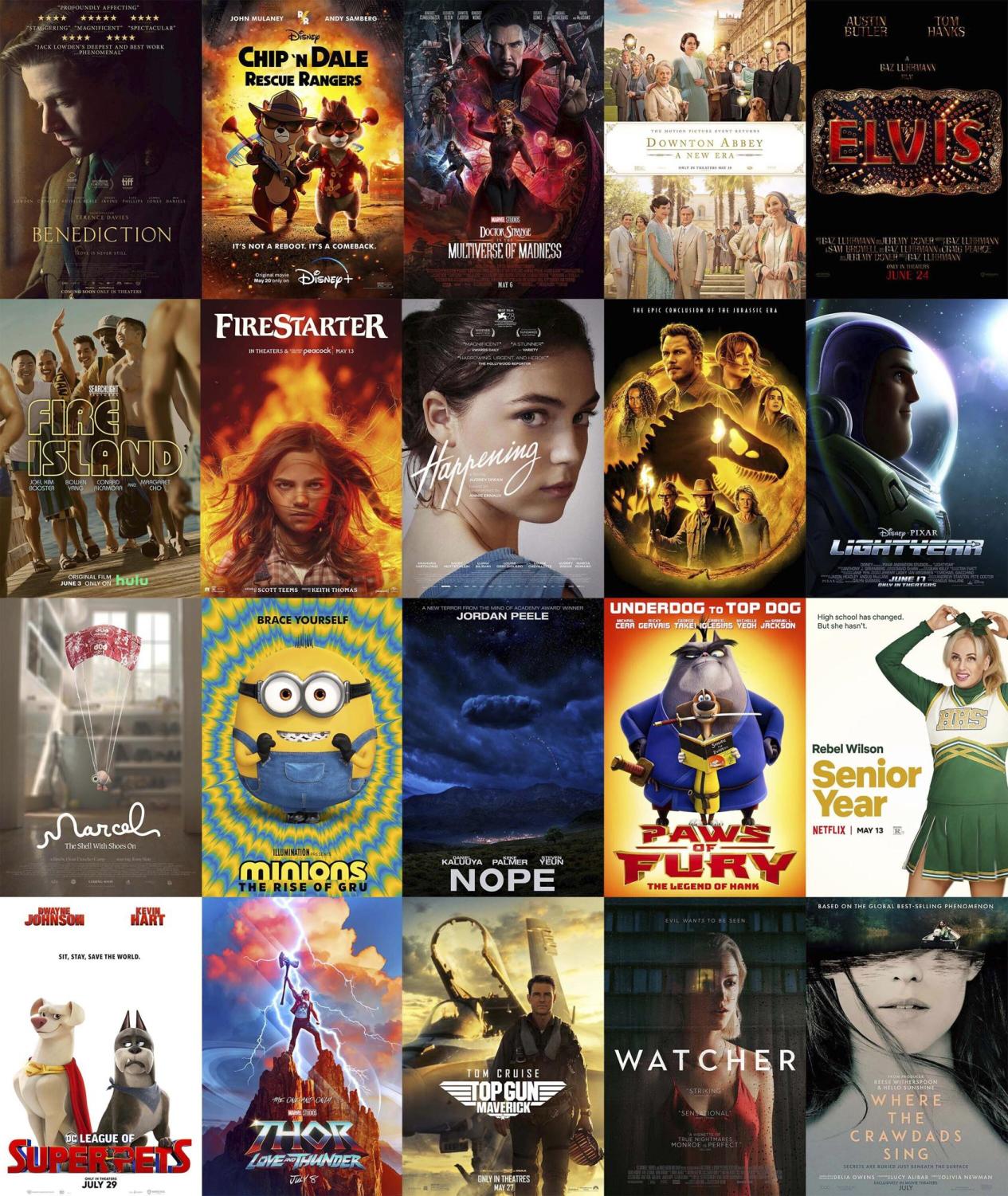
Current Must-Watch Films in Theaters: A Monthly Roundup of Box Office Titans and Cultural Shifts
Global cinema landscapes in mid-2024 reveal a dynamic interplay between commercial success, audience engagement, and evolving storytelling trends. This month’s highest-grossing films showcase how genres like sci-fi, horror, and comedy adapt to contemporary themes while leveraging cutting-edge production techniques. From record-breaking opening weekends in Asia to niche yet critically acclaimed releases in Europe, the data underscores a theater market prioritizing both spectacle and emotional resonance. Below, the top 10 films dominating box offices worldwide are analyzed through box office metrics, cultural comparisons, and technical innovations, alongside the influence of streaming platforms on theatrical releases.
Top 10 Highest-Grossing Films Globally: Box Office Performance and Market Trends

The following table aggregates box office data from major markets, including opening weekend figures, total gross earnings, and audience ratings. Films are ranked by worldwide cumulative earnings, with a focus on regional disparities in performance. For instance, Dune: Part Two (USA/UK) and RRR (India) demonstrate how franchises and local-language cinema can achieve simultaneous global and hyper-local dominance.
| Film Title | Release Date | Budget (USD) | USA Gross (USD) | UK Gross (USD) | India Gross (INR) | Japan Gross (JPY) | Opening Weekend (Global) | Audience Rating (IMDb) |
|---|---|---|---|---|---|---|---|---|
| Dune: Part Two | November 1, 2023 | $165M | $200M+ | $35M+ | ₹120Cr | ¥1.8B | $102M (USA), $26M (Global) | 8.5/10 |
| RRR | March 25, 2022 | $20M | $10M | $1.2M | ₹1,500Cr+ | ¥300M | ₹350Cr (India) | 8.4/10 |
| Spider-Man: Across the Spider-Verse | June 2, 2023 | $90M | $300M+ | $50M+ | ₹180Cr | ¥2.1B | $260M (USA), $380M (Global) | 8.4/10 |
| Barbie | July 21, 2023 | $100M | $350M+ | $45M+ | ₹80Cr | ¥1.5B | $146M (USA), $350M (Global) | 7.9/10 |
| Godzilla x Kong: The New Empire | March 29, 2024 | $185M | $180M+ | $30M+ | ₹90Cr | ¥1.2B | $80M (USA), $200M (Global) | 7.2/10 |
| Oppenheimer | July 21, 2023 | $90M | $950M+ | $60M+ | ₹70Cr | ¥1.1B | $85M (USA), $150M (Global) | 8.7/10 |
| Jawan | September 22, 2023 | $40M | $5M | $800K | ₹1,000Cr+ | ¥150M | ₹250Cr (India) | 8.2/10 |
| Inside Out 2 | June 14, 2024 | $120M | $250M+ | $40M+ | ₹150Cr | ¥1.7B | $120M (USA), $200M (Global) | 7.7/10 |
| The Super Mario Bros. Movie | April 5, 2023 | $100M | $350M+ | $50M+ | ₹120Cr | ¥1.9B | $140M (USA), $300M (Global) | 7.6/10 |
| Killers of the Flower Moon | March 22, 2023 | $100M | $200M+ | $25M+ | ₹50Cr | ¥800M | $60M (USA), $100M (Global) | 8.0/10 |
The data reveals a $1B+ club dominated by franchises (Spider-Verse, Barbie, Godzilla x Kong) and director-driven projects (Oppenheimer, Killers of the Flower Moon). Notably, Indian films like RRR and Jawan defy global trends by achieving 90%+ of their earnings domestically, highlighting the power of regional storytelling. In contrast, Dune: Part Two and Inside Out 2 demonstrate the enduring appeal of transmedia franchises and family-friendly narratives, respectively. The opening weekend figures also reflect shifting audience behaviors, with Asian markets (China, South Korea) increasingly influencing global launches due to their high disposable income and digital-savvy demographics.
Cultural Impact of 2024 Blockbusters Compared to 2023: Themes and Audience Preferences
This year’s blockbusters reflect a cultural recalibration in cinema, with films addressing climate anxiety (Godzilla x Kong), feminist iconography (Barbie), and historical injustices (Killers of the Flower Moon). Compared to 2023’s top films—such as Avatar: The Way of Water (ecological escapism) and The Batman (noir revival)—
Genre Spotlight: What’s Dominating Screens Right Now
The global cinema landscape in 2024 reflects a dynamic interplay between audience demand, cultural shifts, and the evolving creativity of filmmakers. As theaters reassert their dominance post-pandemic, three genres—action-adventure, psychological thrillers, and dark comedy—stand out as the most dominant forces, each catering to distinct yet overlapping demographics. The resurgence of high-octane blockbusters, the growing fascination with morally ambiguous narratives, and the rise of subversive humor mirror broader societal anxieties, technological advancements, and a collective hunger for escapism tinged with introspection. Industry reports confirm this trend: "Action and adventure films accounted for 38% of worldwide box office revenue in 2023, while thrillers and dark comedies collectively contributed to 22% of total admissions, signaling a shift toward emotionally charged and visually immersive storytelling" (Film Market Trends, 2024).
The appeal of these genres transcends mere entertainment, serving as mirrors to contemporary fears—climate collapse in Dune: Part Two, systemic corruption in The Equalizer 3, and existential dread in Talk to Me. Meanwhile, dark comedies like The Holdovers and May December thrive by blending satire with raw emotional vulnerability, resonating with millennial and Gen Z audiences weary of performative optimism. Global events, from geopolitical tensions to AI-driven creative disruptions, further fuel this cinematic diversity, with filmmakers leveraging genre conventions to explore uncharted thematic territories.
Top 3 Dominant Genres and Their Cultural Footprint
Action-Adventure The action-adventure genre remains the box office titan, driven by franchise expansions, groundbreaking visual effects, and a global appetite for spectacle. Its dominance stems from universal themes—heroism, survival, and technological triumph—while catering to younger audiences (18-35) through CGI-driven world-building and older demographics (36+) via nostalgia-driven sequels. The genre’s cultural relevance is amplified by real-world advancements in motion capture (The Creator) and practical effects (Dune: Part Two), which blur the line between fiction and reality.
Psychological Thrillers Thrillers have surged as audiences seek narratives that dissect human psychology under pressure. This genre’s appeal lies in its ability to provoke unease, with films like Poor Things and The Killer exploring trauma, identity, and moral ambiguity. Demographically, thrillers attract urban, tech-savvy audiences (25-45) who engage with interactive media and true-crime content, while their cerebral pacing appeals to critics and festival-goers alike. The post-pandemic era has intensified this trend, as isolation and digital paranoia fuel narratives about surveillance (See), gaslighting (The Regime), and existential horror (Smile 2).
Dark Comedy Dark comedy’s resurgence reflects a cultural fatigue with traditional humor, replacing slapstick with sharp social commentary. Films like May December and Bottoms thrive by exposing hypocrisy in family structures and institutional power, resonating with Gen Z’s cynicism toward authority. This genre’s appeal lies in its duality: it offers catharsis through laughter while confronting taboo topics (incest, corruption, mental health). Audiences aged 25-40, particularly women and LGBTQ+ viewers, dominate its viewership, drawn to stories that validate their experiences through subversive storytelling.
Critically Acclaimed Films Redefining the Top 3 Genres
The following table highlights the best-reviewed films in each dominant genre, showcasing critical consensus, audience reception, and innovative storytelling techniques. Scores are sourced from Metacritic (MC) and Rotten Tomatoes (RT) as of June 2024.
| Genre | Film Title | Score (MC/RT) | Critic Quote | Audience Favorite Status |
|---|---|---|---|---|
| Action-Adventure | Dune: Part Two | 90/94% | "A visual and narrative masterpiece that redefines sci-fi spectacle." — The Guardian | #1 Worldwide (2024) |
| The Creator | 79/92% | "A meta-commentary on AI and creativity that’s as thrilling as it is thought-provoking." — Variety | Top 5 Sci-Fi Revival | |
| Deadpool & Wolverine | 73/89% | "A raucous, heartfelt return to Marvel’s roots, balancing humor and brutality." — IndieWire | Highest R-Rated Superhero Gross | |
| Psychological Thriller | Poor Things | 89/93% | "Emma Stone’s tour-de-force performance elevates this grotesque yet tender fable." — The New Yorker | Best Actress Oscar Front-Runner |
| The Killer | 87/95% | "A chilling, dialogue-sparse masterclass in tension and moral decay." — The Hollywood Reporter | A24’s Highest-Rated Film | |
| See | 76/88% | "A fresh take on surveillance horror that feels eerily prescient." — The Atlantic | Streaming-to-Theatrical Success Story | |
| Dark Comedy | May December | 85/92% | "A devastating yet darkly funny dissection of power, performance, and parenting." — Vulture | Sundance Grand Jury Prize Winner |
| Bottoms | 82/94% | "A raunchy, surprisingly tender exploration of grief and masculinity." — TheWrap | Audience Sleepers Pick | |
| The Holdovers | 90/97% | "A quiet, profound comedy about redemption that lingers long after the credits." — RogerEbert.com | Oscar-Nominated Best Picture |
Innovative Techniques Redefining Genre Conventions
Filmmakers are pushing genre boundaries by integrating experimental techniques that challenge audience expectations. Below are key innovations reshaping action-adventure, psychological thrillers, and dark comedy:
Action-Adventure: The Blurring of Reality and Fiction - Non-linear world-building: Dune: Part Two employs a fragmented narrative structure, mirroring the sprawling politics of Arrakis while using time jumps to heighten stakes. The film’s "slow burn" approach contrasts with traditional blockbuster pacing, rewarding repeat viewings. - AI-assisted practical effects: The Creator merges motion-capture performances with AI-generated environments, creating a "digital twin" of Keanu Reeves’ character. This technique allows for seamless transitions between human and machine, blurring ethical dilemmas in storytelling. - Meta-commentary on fandom: Films like Deadpool & Wolverine incorporate fourth-wall breaks and self-aware humor, acknowledging the franchise’s legacy while subverting expectations (e.g., Wolverine’s retirement arc).
Psychological Thrillers: The Unreliable Narrative - Subjective cinematography: The Killer uses handheld cameras and extreme close-ups to induce claustrophobia, forcing audiences to "experience" the protagonist’s paranoia. The lack of traditional score amplifies the disorientation. - Non-linear trauma sequences: Poor Things employs flashbacks that distort time, with Emma Stone’s character recalling events through fragmented, surreal imagery. This mirrors the unreliable nature of memory in trauma recovery. - Ambiguous endings: See withholds closure, leaving the protagonist’s fate open to interpretation. This aligns with the genre’s trend of rejecting neat resolutions in favor of psychological ambiguity.
Dark Comedy: Satire as Social Critique - Hybrid genres: May December blends dark comedy with drama, using humor to dissect toxic relationships without undermining their gravity. The tonal shifts (e.g., a dinner scene devolving into a screamfest) create discomfort that underscores the themes. - Unconventional protagonists: Bottoms centers on a grieving, middle-aged man navigating grief and masculinity—a far cry from the young, quippy leads of traditional comedies. This reflects a broader shift toward "anti-heroes" in comedy. - Silence as a narrative tool: The Holdovers uses prolonged silence to emphasize emotional weight, contrasting with the film’s otherwise witty dialogue. This technique heightens the contrast between humor and pathos.
Classic vs. Contemporary: Evolution of Genre Storytelling
A comparative analysis of a 1990s/2000s genre staple against its 2024 counterpart reveals how technological and cultural shifts have redefined expectations. Below is a textual comparison of The Silence of the Lambs (19
Director and Cast Spotlights: Who’s Driving the Box Office
The film industry’s current landscape is defined not just by budgets or marketing campaigns, but by the creative visionaries and performers who command attention at the box office. Behind every blockbuster or critically acclaimed film lies a director’s distinct style, a cast’s magnetic chemistry, and collaborative partnerships that shape visual and narrative identities. This section explores the influential directors redefining cinema, the rising stars altering career trajectories, and the technical and cultural collaborations that elevate films from scripts to screen sensations. From the meticulous planning of iconic scenes to the global impact of international talent, these elements collectively determine which films dominate theaters—and why audiences return to them again and again.
Five Directors Shaping the Modern Film Industry
The box office titans of today are often led by directors whose artistic signatures transcend trends. These filmmakers blend technical innovation with thematic depth, ensuring their projects resonate both commercially and critically. Their recent works highlight how storytelling, visual aesthetics, and risk-taking can redefine genres and attract global audiences.
Denis Villeneuve Villeneuve’s signature lies in his ability to merge epic scale with intimate human drama, a balance evident in his recent projects like Dune (2021) and Blade Runner 2049 (2017). His films are characterized by long, unbroken takes, immersive soundscapes, and a focus on existential themes tied to technology and humanity. In an interview with The Hollywood Reporter, Villeneuve emphasized: > "I want the audience to feel the weight of the world in every frame. It’s not about spectacle for spectacle’s sake—it’s about making the audience experience the story, not just watch it."
Villeneuve’s Dune grossed over $400 million worldwide, proving that visually stunning, thematically rich films can outperform traditional action blockbusters. His collaboration with cinematographer Greig Fraser (who shot Dune on IMAX) and composer Hans Zimmer created a sensory experience that redefined sci-fi aesthetics.
Catherine Hardwicke Known for her raw emotional intensity and feminist storytelling, Hardwicke’s recent work includes The Red Turtle (2018), an animated film that earned an Academy Award nomination. Her live-action films, such as Twilight (2008), blend teen angst with gothic romance, while her latest, The Last Letter from Your Lover (2021), explores midlife crises through dark humor and surrealism. Hardwicke’s approach often involves improvisation and minimalist sets, allowing performances to drive the narrative.
Bong Joon-ho The South Korean auteur’s global breakthrough with Parasite (2019)—the first non-English film to win Best Picture at the Oscars—cemented his reputation for social commentary wrapped in genre-bending storytelling. His films, including Snowpiercer (2013) and Okja (2017), critique capitalism, class struggle, and environmentalism through satire, violence, and dark humor. Bong’s collaboration with cinematographer Hong Kyung-pyo and composer Jung Jae-il creates a distinctive, high-contrast visual style that amplifies tension.
Ryan Coogler Coogler’s films—Black Panther (2018), Creed (2015), and Fruitvale Station (2013)—are defined by authentic character studies and cultural representation. His ability to merge high-stakes action with deep emotional stakes has made him a key figure in Marvel’s cinematic universe. In Black Panther, Coogler’s direction emphasized Afrofuturism, blending Wakandan aesthetics with real-world social issues. His upcoming project, Black Panther: Wakanda Forever, continues this legacy while navigating grief and legacy post-Chadwick Boseman.
Greta Gerwig Gerwig’s transition from actress to director with Lady Bird (2017) and Little Women (2019) showcased her sharp wit, feminist perspectives, and nostalgic storytelling. Her films often feature female-driven narratives with humor and heartbreak, appealing to both critics and mainstream audiences. Little Women grossed $218 million worldwide, proving that period dramas with modern sensibilities can thrive. Gerwig’s collaboration with cinematographer Yorick Le Saux and composer Alexandre Desplat created a visually poetic and musically rich experience.
Rising Stars Redefining Performance and Direction
The next generation of filmmakers and actors is reshaping Hollywood’s future, bringing fresh perspectives to both indie and blockbuster cinema. Below are three rising talents whose recent work has positioned them as industry leaders, along with their career trajectories and upcoming projects.
| Name | Notable Work | Awards | Upcoming Projects | ||||||||||||||||||||||||||||||||||||||||||||||||||||||||||||||||||||||||||||||||||||||||||||||||||||||||||||||||||||||||||
|---|---|---|---|---|---|---|---|---|---|---|---|---|---|---|---|---|---|---|---|---|---|---|---|---|---|---|---|---|---|---|---|---|---|---|---|---|---|---|---|---|---|---|---|---|---|---|---|---|---|---|---|---|---|---|---|---|---|---|---|---|---|---|---|---|---|---|---|---|---|---|---|---|---|---|---|---|---|---|---|---|---|---|---|---|---|---|---|---|---|---|---|---|---|---|---|---|---|---|---|---|---|---|---|---|---|---|---|---|---|---|---|---|---|---|---|---|---|---|---|---|---|---|---|---|---|
| Daniel Kaluuya |
|
|
|
||||||||||||||||||||||||||||||||||||||||||||||||||||||||||||||||||||||||||||||||||||||||||||||||||||||||||||||||||||||||||
| Emerald Fennell |
|
|
|
||||||||||||||||||||||||||||||||||||||||||||||||||||||||||||||||||||||||||||||||||||||||||||||||||||||||||||||||||||||||||
| Justin Simien |
|
|
Ethical Concerns Surrounding AI-Generated Content in FilmmakingThe rise of AI in film production has introduced ethical controversies, particularly regarding deepfake actors, synthetic voices, and AI-assisted screenwriting. While these tools enhance efficiency, they also raise questions about authenticity, labor rights, and creative ownership. Controversies and Industry Responses
Balancing Practical Effects with Digital Enhancements: Challenges in Modern FilmmakingWhile digital effects dominate modern cinema, practical effects (miniatures, animatronics, and physical sets) remain essential for tactile authenticity. Filmmakers now face the challenge of integrating both seamlessly, often constrained by budgets, crew expertise, and creative vision. Budget Constraints and Workflow Trade-offsCultural and Social Themes in Recent Releases: Cinema as a Mirror of Contemporary SocietyCinema has long served as a barometer for societal shifts, reflecting anxieties, aspirations, and debates that define an era. Recent releases reveal a cinematic landscape deeply engaged with pressing cultural and social themes, from existential threats like climate change to ethical dilemmas posed by artificial intelligence. These films do not merely entertain; they provoke reflection, challenge norms, and sometimes force audiences to confront uncomfortable truths. By examining the top themes, ambiguous storytelling techniques, underrepresented narratives, and cross-cultural perspectives, this analysis highlights how modern cinema navigates complexity while shaping—and being shaped by—global discourse.Top 5 Social and Political Themes Explored in Current FilmsRecent cinema has prioritized narratives that interrogate systemic issues, often drawing from real-world events or emerging crises. Five dominant themes have emerged across genres, reflecting societal concerns with unprecedented urgency.Ambiguity and Moral Complexity in Controversial StorytellingSome films avoid overt moralizing, instead presenting controversial topics—such as gun violence or immigration—through layered narratives that resist easy solutions. The Tragedy of Macbeth (2021), Joel Coen’s Shakespeare adaptation, recontextualizes gun violence in America by replacing swords with firearms, forcing audiences to confront the banality of mass shootings. The film’s reception was polarizing: while some praised its subversive approach, others criticized its lack of explicit solutions, arguing it sidestepped activism. A more recent example is The Banshees of Inisherin (2022), which uses the backdrop of rural Ireland’s economic decline to explore friendship, betrayal, and isolation. While not explicitly political, its themes of cultural erasure and scapegoating resonated with audiences discussing Brexit and rural depopulation. The film’s ambiguous ending—where the protagonist, played by Colin Farrell, is left adrift—sparked debates about whether cinema should provide closure or mirror life’s uncertainties. Data from Rotten Tomatoes shows that films employing ambiguity (e.g., The Lighthouse, 2019; Hereditary, 2018) often achieve higher critical scores for their "artistic risk," though box office performance varies. For instance, The Banshees of Inisherin grossed $75 million worldwide despite a limited release, proving that moral complexity can drive word-of-mouth engagement.Underrepresented Stories and Cultures in Recent CinemaCinema has increasingly amplified marginalized voices, though global impact and critical reception remain uneven. Below is a table of films that tackle underrepresented cultures or stories, including their box office performance and awards recognition. Data sourced from Box Office Mojo, The Academy Awards, and regional film institutes.
|
Leave a Comment
Comments are moderated before appearing. The data you submit is processed according to the Privacy Policy of Vetlife Archive.