KensHouseofPancakesUnveilingLegacyAndModernFlair
Table of Contents
- The Origins and Evolution of Ken’s House of Pancakes: A Legacy of Breakfast Innovation
- Founding Philosophy and Early Menu Offerings
- Key Milestones in the Brand’s Expansion and Cultural Impact
- Comparative Timeline: Ken’s House of Pancakes vs. Iconic Pancake Chains
- Lesser-Known Facts and Hidden Traditions
- Signature Menu and Iconic Dishes: The Artistry Behind Ken’s House of Pancakes
- Breakfast Staples and the Evolution of Classic Dishes
- Lunch and Dinner Specials: Redefining Breakfast-for-Dinner
- Seasonal Specials and Limited-Time Offerings (LTOs) Driving Engagement
- Dietary Inclusivity: Crafting Options Without Compromising Flavor
- Menu Comparison: How Ken’s Stands Out Against Competitors
- Instagram-Worthy Plates and the Psychology of Food Presentation
- Customer Experience and Diner Culture at Ken’s House of Pancakes
- Designing a Welcoming and Nostalgic Diner Atmosphere
- Step-by-Step Customer Journey: From Seating to Checkout
- Community Events and Promotions: Where Food Fuels Connection
- Comparative Ambiance: Ken’s House of Pancakes vs. Other Diners
- Nostalgia as a Marketing Pillar: Retro Branding and Throwback Appeal
- Nutrition, Health Trends, and Modern Adaptations at Ken’s House of Pancakes
- Nutritional Breakdown of Signature Dishes and Competitor Comparisons
- Introduction of Healthier Menu Items: Customer Demand and Industry Shifts
- Reformulating Classics: Balancing Health and Authenticity
- Collaborations with Dietitians, Influencers, and Wellness Brands
- Marketing Healthier Options: Packaging, Descriptions, and Promotions
- Behind the Scenes: Operations, Staff Culture, and Franchise Model at Ken’s House of Pancakes
- Franchise Model: Location Selection, Training, and Brand Consistency
- Hiring and Training: Cultivating a Culture of Multitasking and Teamwork
- Daily Operations: Kitchen Workflows, Inventory Management, and Peak-Hour Strategies
- Franchise Model Comparison: Ken’s House of Pancakes vs. Other Restaurant Chains
- Ken’s House of Pancakes in Pop Culture and Community Impact
- Pop Culture Appearances and Brand Awareness
- Notable Pop Culture Appearances
- Community Engagement and Philanthropic Initiatives
- User-Generated Content and Digital Engagement
- Sustainability and Ethical Practices
- Iconic Locations and Cultural Landmarks
Behind every iconic breakfast spot lies a story of fluffy stacks, golden syrup, and the quiet magic of a diner that became more than just a meal destination. Ken’s House of Pancakes stands as a testament to that—where retro charm meets modern cravings, blending decades of tradition with an evolving menu that keeps diners coming back. From its humble origins to becoming a cultural staple, this brand didn’t just serve pancakes; it crafted experiences that turned ordinary mornings into unforgettable rituals.
The journey of Ken’s House of Pancakes is woven with threads of innovation, community, and a dash of nostalgia that lingers in every booth and syrup bottle. Unlike its competitors, this diner didn’t just adapt to trends—it set them, balancing hearty classics with health-conscious twists while staying true to its roots. Whether it’s the secret behind its signature pancakes or the way it turned breakfast-for-dinner into an art, the brand’s evolution mirrors the shifting tastes of generations. Yet, at its core, it remains a place where the sizzle of the grill and the clink of silverware evoke the warmth of a home-cooked meal, proving that some traditions are too delicious to abandon.
The Origins and Evolution of Ken’s House of Pancakes: A Legacy of Breakfast Innovation

Ken’s House of Pancakes emerged from a humble yet ambitious vision in the late 1960s, carving its place in American diner culture as a brand synonymous with hearty breakfast fare and nostalgic comfort. Founded in 1969 by Ken Berry in San Diego, California, the restaurant began as a single, family-owned diner catering to local workers and early risers seeking a reliable spot for pancakes, eggs, and coffee. Unlike many breakfast chains of the era, Ken’s was not a franchise from the outset but a grassroots operation that grew organically, fueled by word-of-mouth praise for its generous portions and homemade recipes. The original location, a modest diner with classic 1950s counter seating and checkered floors, became a neighborhood staple, reflecting the laid-back, community-driven ethos of Southern California at the time.
The brand’s early success stemmed from a simple yet powerful philosophy: quality, consistency, and affordability. While competitors like IHOP (founded in 1958) and Denny’s (1953) were already established, Ken’s differentiated itself by focusing on regional ingredients and a no-frills, welcoming atmosphere. The diner’s design—complete with red vinyl booths, chrome accents, and a retro jukebox—was intentionally inviting, blending functionality with a touch of mid-century charm. This aesthetic would later become a hallmark of the brand, even as it expanded.
Founding Philosophy and Early Menu Offerings
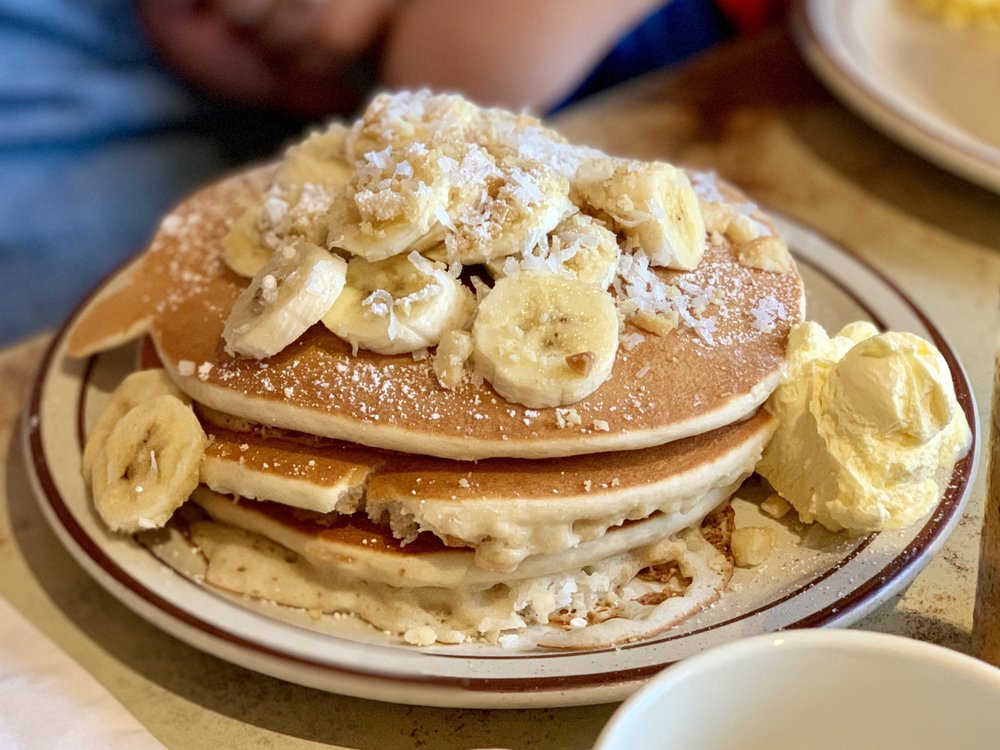
Ken’s House of Pancakes was built on three core principles that set it apart from its contemporaries: - A focus on breakfast as the star of the menu, with pancakes as the centerpiece, served in sizes that became legendary (e.g., the "Ken’s Special," a towering stack of buttermilk pancakes). - Use of local, fresh ingredients, including California-grown berries, eggs from regional farms, and syrup made from scratch. - A commitment to hospitality, with servers encouraged to engage with regulars, creating a sense of familiarity and loyalty.
The original menu was straightforward but ambitious, featuring: - Pancakes in various sizes, from single to "family-style" stacks, topped with whipped cream, fruit, or nuts. - Classic breakfast staples like scrambled eggs, bacon, sausage, and omelets, often served in "breakfast platters" designed for sharing. - Specialty items such as the "Berry Bliss" pancakes (a signature creation using local strawberries and blueberries) and a "Diner’s Omelet" with cheddar, ham, and peppers. - Desserts like cinnamon rolls and apple pie, reinforcing the diner’s reputation as a full-service breakfast destination.
Unlike IHOP, which emphasized international pancake variations (e.g., French toast, crepes), or Denny’s, which leaned into 24-hour service and late-night diner culture, Ken’s positioned itself as a breakfast-first brand with a focus on volume and value. This approach resonated particularly well with blue-collar workers, families, and students, who appreciated the hearty portions and affordable pricing.
Key Milestones in the Brand’s Expansion and Cultural Impact
Ken’s House of Pancakes remained a local favorite through the 1970s, but its first major milestone came in 1982 when it opened its second location in Orange County, signaling the beginning of franchise growth. By the late 1980s, the brand had expanded to five locations across Southern California, each maintaining the original diner’s aesthetic while adapting to local tastes. For example: - The San Diego flagship retained its classic red-and-white color scheme, while the Los Angeles outpost incorporated subtle urban touches, like neon signage. - The Orange County location introduced a "Brunch Menu," extending service hours to accommodate weekend crowds.
A defining moment in the brand’s evolution occurred in 1991, when Ken’s House of Pancakes franchised nationally, allowing independent operators to open locations under the brand’s name. This shift was driven by demand from rural and suburban areas, where diners sought the same comfort food experience. By 1995, the chain had 20+ locations, with a notable presence in Texas, Arizona, and Nevada.
The brand’s cultural impact was further cemented through: - Partnerships with local farmers to source ingredients, reinforcing its "farm-to-table" ethos before the term became mainstream. - Community involvement, such as sponsoring little league teams or hosting "Pancake Fundraisers" for schools and charities. - Pop culture mentions, including appearances in films and TV shows that highlighted its nostalgic, all-American diner vibe.
Comparative Timeline: Ken’s House of Pancakes vs. Iconic Pancake Chains
While IHOP and Denny’s dominated the breakfast landscape, Ken’s carved its niche with a distinct identity. Below is a comparative timeline highlighting key differences in history, philosophy, and early offerings:
| Aspect | Ken’s House of Pancakes (1969–Present) | International House of Pancakes (IHOP) (1958–Present) | Denny’s (1953–Present) |
|---|---|---|---|
| Founding Year & Location | 1969, San Diego, California (family-owned diner) | 1958, Teaneck, New Jersey (franchise model from inception) | 1953, Lakewood, California (originally "Denny’s Donuts & Coffee") |
| Founding Philosophy | Local, hearty breakfast with Southern California influences; focus on pancakes as a staple | International pancake variations; emphasis on global flavors and breakfast innovation | 24-hour diner culture; late-night comfort food with breakfast roots |
| Early Menu Highlights | Buttermilk pancakes, "Ken’s Special" stacks, Berry Bliss toppings, diner omelets | French toast, crepes, "Rooty Tooty Fresh ‘n Fruity" pancakes, waffles | Grand Slam breakfast (eggs, bacon, sausage, hash browns), "Denny’s Famous Grand Slam" burger |
| Expansion Strategy | Regional growth (1970s–1980s), national franchising (1991) | Aggressive franchising from 1960s; international expansion by 1970s | Franchise expansion in 1960s; focus on highway and suburban locations |
| Cultural Influence | Southern California diner culture; community-focused branding | Pioneered pancake-themed restaurants; global breakfast trends | Symbol of American diner lifestyle; late-night dining staple |
| Adaptation to Trends | Introduced "Breakfast-for-Dinner" concept in 1985; added health-conscious options (whole-grain pancakes, veggie omelets) in 1990s | Added brunch menus (1970s), vegetarian options (1990s), and gluten-free pancakes (2000s) | Expanded to all-day dining (1980s); introduced "Denny’s Early Diner" breakfast specials |
Lesser-Known Facts and Hidden Traditions
Beyond its menu and growth, Ken’s House of Pancakes is steeped in anecdotes and traditions that reflect its grassroots origins: - The Secret Syrup Recipe: The original diner’s maple syrup was made from a family recipe passed down from Ken Berry’s grandmother, who claimed it was infused with a "pinch of cinnamon and a splash of vanilla" for depth. The recipe remains a closely guarded secret, though some locations now offer a "Grandma’s Syrup" as a nod to its heritage. - The "First Pancake Free" Policy: In its early years, Ken’s offered a free pancake to the first customer
Signature Menu and Iconic Dishes: The Artistry Behind Ken’s House of Pancakes
Ken’s House of Pancakes has cultivated a menu that transcends the ordinary breakfast experience, blending timeless comfort with innovative twists that keep diners returning. At the heart of its identity lies a signature menu designed to evoke nostalgia while embracing culinary evolution. From fluffy pancakes to savory late-night specials, each dish reflects a commitment to quality ingredients, bold flavors, and creative presentation. The brand’s ability to balance tradition with modernity—whether through limited-time offerings, dietary inclusivity, or visually stunning plates—has solidified its reputation as a leader in breakfast innovation. This section explores the standout dishes that define Ken’s, the techniques that set them apart, and the strategic approaches that turn casual meals into viral sensations.
Breakfast Staples and the Evolution of Classic Dishes
Ken’s House of Pancakes builds its legacy on breakfast classics, but its version of these staples distinguishes it from competitors. The "Ken’s Famous Pancakes"—a trio of buttermilk pancakes served with butter and maple syrup—remains the cornerstone of the menu. What sets them apart is the secret blend of spices and a precise fermentation process, yielding pancakes with an airy yet sturdy texture and a subtle tang. The recipe, refined over decades, incorporates cultured buttermilk and a touch of baking soda, creating a signature fluffiness that has become iconic. Diners often describe the experience as "decadent yet light," a balance achieved through low-fat butter (for richness without heaviness) and grade-A maple syrup sourced from Vermont.
Beyond pancakes, the "Breakfast Burrito" stands as another fan favorite, combining scrambled eggs, sausage, cheese, and hash browns in a crispy tortilla. Its evolution reflects shifting consumer preferences: originally introduced as a quick, handheld meal, it now includes rotisserie chicken, breakfast potatoes, and even vegan chorizo to accommodate diverse tastes. The "Grand Slam"—a towering stack of pancakes, bacon, eggs, and sausage—embodies the brand’s "more is more" philosophy, though it has undergone refinements to ensure portion sizes remain generous without overwhelming diners.
Lunch and Dinner Specials: Redefining Breakfast-for-Dinner
Ken’s strategic expansion into lunch and dinner offerings has redefined the breakfast-for-dinner trend, proving that pancakes and bacon aren’t confined to morning hours. The "Pancake Stack Dinner" features a grilled chicken or steak layered between pancakes, drizzled with honey butter and garnished with fresh berries—a dish that marries sweet and savory in a way that feels both indulgent and balanced. Similarly, the "Biscuit & Gravy Dinner" replaces the traditional breakfast pairing with pulled pork or shrimp, catering to diners seeking heartier fare. These adaptations leverage slow-cooked meats and artisanal gravies, elevating comfort food to restaurant-quality status.
For lunch, the "Avocado Toast Bar" offers a modern twist, allowing customers to customize toast with toppings like smoked salmon, chili flakes, or fried eggs, reflecting the brand’s ability to merge classic and contemporary flavors. Meanwhile, the "Ken’s Famous Chicken & Waffles"—a late-night staple—combines crispy buttermilk waffles with herb-marinated chicken and spicy maple syrup, a dish so popular it has been featured in food festivals and influencer collaborations.
Seasonal Specials and Limited-Time Offerings (LTOs) Driving Engagement
Ken’s House of Pancakes masterfully uses seasonal LTOs to create urgency and excitement, often sparking social media trends. The "Pumpkin Spice Pancakes" during autumn, infused with real pumpkin purée and cinnamon, became a viral sensation, with diners sharing photos of the latte-like pancake batter and whipped cream swirls. Similarly, the "Valentine’s Day Strawberry Pancakes"—adorned with edible gold leaf and fresh strawberries—turned into an Instagram phenomenon, with hashtags like #KensLovePancakes trending nationwide.
Summer brings the "Berry Blast Pancakes", featuring a warm berry compote and mint garnish, while holiday seasons introduce peppermint chocolate chip pancakes and eggnog waffles. These limited offerings are carefully crafted to align with local ingredient availability (e.g., using Michigan cherries in summer) and cultural moments, ensuring relevance without overcomplicating the menu. The brand’s data-driven approach—tracking social media buzz and sales spikes—helps refine future LTOs, such as the "Dinosaur Pancakes" (a kid-friendly hit with hidden chocolate chips) that generated millions of views on TikTok.
Dietary Inclusivity: Crafting Options Without Compromising Flavor
Ken’s commitment to inclusivity is evident in its dedicated allergy-friendly and dietary-specific menu, a rarity in casual dining. The "Gluten-Free Pancakes" use a rice flour and almond flour blend, achieving a texture nearly identical to traditional pancakes, while the "Vegan Syrup"—made from date sugar and vanilla bean—replaces traditional maple syrup without sacrificing sweetness. For keto diners, the "Cheesecake Pancakes" (baked with almond flour and topped with sugar-free cream cheese frosting) have become a cult favorite, proving that health-conscious choices can still be indulgent.
The brand’s approach involves cross-training staff to handle allergens safely and transparency in ingredient sourcing, such as labeling dishes with common allergens (e.g., nuts, dairy). This strategy has earned Ken’s praise from food bloggers and dietary communities, with one vegan influencer noting, "They don’t just offer vegan options—they make them taste like the real deal."
Menu Comparison: How Ken’s Stands Out Against Competitors
The following table highlights how Ken’s House of Pancakes differentiates itself from major competitors like IHOP, Denny’s, and The Waffle House, focusing on uniqueness, pricing, and customer reviews for signature items.
| Category | Ken’s House of Pancakes | IHOP | Denny’s | The Waffle House |
|---|---|---|---|---|
| Signature Pancakes | Ken’s Famous (buttermilk, secret spice blend) | Grand Classic (homestyle, no unique twist) | Grand Slam (heavy, dense texture) | Plain or chocolate chip (regional variations) |
| Breakfast-for-Dinner | Pancake Stack Dinner (chicken/steak + pancakes) | RoastBeef & Pancakes (pre-made roast beef) | Grand Slam Dinner (same as breakfast) | Waffle Sandwich (limited savory options) |
| Seasonal LTOs | Pumpkin Spice, Valentine’s Strawberry (highly publicized) | Pumpkin Spice (generic), Holiday Pancakes | Holiday Brunch (basic adaptations) | Limited seasonal waffles (local focus) |
| Dietary Options | Gluten-free, vegan syrup, keto cheesecake pancakes | Gluten-free (basic), vegan limited | Gluten-free (restricted), vegan minimal | Gluten-free (available), vegan rare |
| Pricing (Signature Item) | $8.99 (Ken’s Famous Pancakes) | $7.99 (Grand Classic) | $9.99 (Grand Slam) | $6.99 (Plain Waffle) |
| Customer Reviews | "Fluffiest pancakes ever—worth the splurge!" (4.7/5) | "Overpriced for basic pancakes." (3.8/5) | "Good for late-night, but heavy." (3.5/5) | "Quick and cheap, but lacks creativity." (4.1/5) |
| Social Media Appeal | High (LTOs, influencer collabs, Instagram-worthy plates) | Moderate (holiday campaigns) | Low (traditional branding) | Moderate (regional popularity) |
Ken’s edges out competitors through bold flavors, strategic pricing for premium ingredients, and a menu that evolves with trends, whereas chains like IHOP and Denny’s rely more on familiarity and volume. The Waffle House, while beloved for its Southern charm and speed, lacks the innovative marketing and dietary adaptability that Ken’s prioritizes.
Instagram-Worthy Plates and the Psychology of Food Presentation
Ken’s menu items are meticulously designed for visual appeal, turning meals into shareable moments. The "Chocolate
Customer Experience and Diner Culture at Ken’s House of Pancakes
Ken’s House of Pancakes has mastered the art of blending retro charm with modern hospitality, creating a diner experience that feels like stepping into a warm, familiar embrace. The brand’s commitment to fostering a welcoming atmosphere extends beyond delicious food—it is woven into the decor, interactions, and even the smallest details of the customer journey. From the moment patrons walk through the door, they are enveloped in an environment designed to evoke nostalgia while delivering contemporary convenience. This section explores how Ken’s House of Pancakes cultivates a diner culture that prioritizes comfort, personalization, and community engagement, ensuring every visit feels like a cherished tradition.
Designing a Welcoming and Nostalgic Diner Atmosphere
The ambiance at Ken’s House of Pancakes is meticulously crafted to transport customers to a bygone era of classic American diners, where red vinyl booths, checkered floors, and chrome accents reign supreme. The decor is a deliberate homage to mid-century aesthetics, featuring vintage signage, retro jukeboxes playing soft rock or classic country tunes, and walls adorned with framed memorabilia—including autographed photos of celebrities who’ve dined there. The color palette leans into warm, inviting tones like burnt orange, deep red, and creamy white, while the lighting is designed to be cozy yet bright enough to highlight the food.
Staff uniforms—often featuring playful aprons or retro-style shirts—reinforce the nostalgic theme, while the layout encourages both communal and intimate dining experiences. Communal tables with built-in benches foster a sense of togetherness, ideal for families or groups, while private booths offer a quieter retreat. The diner’s acoustic design balances the hum of conversation with the occasional clatter of plates, creating a lively yet unobtrusive atmosphere. Even the scent—warm buttery pancakes mingling with the aroma of freshly brewed coffee—contributes to the immersive experience.
Step-by-Step Customer Journey: From Seating to Checkout
A visit to Ken’s House of Pancakes unfolds like a well-rehearsed performance, with each stage designed to delight and surprise. Upon arrival, customers are greeted by staff who often know regulars by name, setting an immediate tone of familiarity. The seating process is streamlined yet personal; guests can choose between booths, counter stools, or family-style tables, with hosts ensuring high-demand areas (like the iconic "Ken’s Corner" booths) are reserved for loyal patrons.
Once seated, diners receive a complimentary basket of silverware, a vintage-style menu, and—at many locations—a small token like a free refill coupon or a handwritten note from the manager. The menu itself is a work of art, featuring illustrated dishes and playful descriptions that hint at the creativity behind each item. Orders are taken with a mix of efficiency and warmth; servers often engage in light banter, sharing fun facts about the day’s specials or recommending crowd favorites like the "Ken’s Classic" pancake stack.
The food arrives with a flourish—pancakes are often presented on a sizzling griddle, syrup is poured tableside, and sides like crispy bacon or fresh fruit are arranged with care. A signature touch is the inclusion of autographed napkins at some locations, bearing the signature of the diner’s namesake, Ken. Dessert is equally theatrical, with sundaes or milkshakes served in retro glassware, complete with whipped cream and a cherry. The checkout process is seamless, with staff ensuring no one rushes; regulars might even receive a surprise like a free pastry or a discount on their next visit.
Community Events and Promotions: Where Food Fuels Connection
Ken’s House of Pancakes transforms its diners into hubs of community engagement through themed events, fundraisers, and loyalty programs that encourage repeat visits. One of the brand’s most beloved initiatives is its annual Pancake Fundraisers, where a portion of proceeds from breakfast sales supports local charities, schools, or first responders. These events often feature live music, face painting for children, and special menu items like "Charity Stacks" with extra toppings.
Family Days are another cornerstone of the brand’s community outreach, offering activities like pancake-decorating contests, storytime for kids, and discounts for multi-generational groups. The "Pancake Passport" loyalty program rewards frequent diners with stamps for every visit, culminating in a free meal after 10 visits—a tactic that has fostered a dedicated following. Seasonal promotions, such as Valentine’s Day "Love Pancakes" or Halloween-themed breakfast specials, keep the menu fresh while aligning with cultural moments.
Collaborations with local businesses further solidify the diner’s role as a community anchor. Partnerships with bakeries, coffee roasters, or even local sports teams have led to exclusive menu items or cross-promotions, such as "Game Day Breakfasts" where sports fans can enjoy themed meals before or after matches. These efforts ensure that Ken’s House of Pancakes isn’t just a restaurant—it’s a gathering place where memories are made.
Comparative Ambiance: Ken’s House of Pancakes vs. Other Diners
The following table highlights how Ken’s House of Pancakes distinguishes itself from other diners and casual restaurants, focusing on key ambiance factors that shape the customer experience:
| Factor | Ken’s House of Pancakes | Traditional Diner | Modern Casual Restaurant |
|---|---|---|---|
| Noise Level | Moderate to lively; balanced with acoustic design to prevent overwhelming chatter. | Often loud, especially during peak hours, with minimal sound dampening. | Controlled; open floor plans or background music keep noise at a comfortable level. |
| Seating Comfort | Retro vinyl booths with plush cushions; counter stools with ergonomic designs. | Standard vinyl booths, sometimes worn or stiff; counter stools may lack padding. | Mix of upholstered chairs, bar stools, and communal tables; prioritizes ergonomics. |
| Service Style | Personalized yet efficient; servers engage with regulars and share diner lore. | Friendly but transactional; focus on speed over memorability. | Efficient and tech-assisted (e.g., kiosks); less emphasis on one-on-one interaction. |
| Decor Theme | Mid-century retro with vintage signage, jukeboxes, and celebrity memorabilia. | Classic diner aesthetic; minimal thematic depth beyond chrome and checkered floors. | Contemporary or minimalist; may incorporate trendy elements like neon or industrial design. |
| Music and Atmosphere | Soft rock, classic country, or oldies; curated playlists enhance nostalgia. | Eclectic soundtrack; often relies on radio or basic jukeboxes. | Modern playlists or ambient noise; may use white noise or curated soundscapes. |
| Unique Touches | Autographed napkins, free refills, handwritten notes, and themed events. | Free coffee refills; occasional loyalty punch cards. | Tech perks like mobile ordering or app-exclusive deals; limited personalization. |
Nostalgia as a Marketing Pillar: Retro Branding and Throwback Appeal
Nostalgia is the heartbeat of Ken’s House of Pancakes’ marketing strategy, leveraging retro branding to create an emotional connection with customers. The diner’s logo—a stylized pancake with a wink—is a playful nod to its roots, while the name itself pays homage to the brand’s founder, Ken. Menu items like the "1950s Breakfast Platter" or "Drive-In Classic" evoke a sense of history, often accompanied by vintage advertisements or illustrations.
Collaborations with brands that embody retro culture amplify this appeal. For example, partnerships with Harley-Davidson for themed breakfast events or Walt Disney for family-friendly promotions tap into shared cultural nostalgia. Limited-time offerings, such as "Vintage Valentine’s Day" menus featuring red-and-white checkered tablecloths or "Back to School" breakfast combos with retro school-themed packaging, further reinforce the brand’s connection to the past.
Social media campaigns often lean into this theme, with posts featuring throwback photos of the diner’s
Nutrition, Health Trends, and Modern Adaptations at Ken’s House of Pancakes
Ken’s House of Pancakes has long been synonymous with indulgent breakfast classics, but as consumer priorities shift toward health-conscious dining, the brand has undergone a strategic transformation. Balancing its legacy of hearty, comfort-driven meals with modern nutritional demands, Ken’s has introduced lighter options, reformulated staples, and embraced partnerships with health experts. This evolution reflects broader industry trends while maintaining the brand’s signature warmth and flavor. The result is a menu that caters to a diverse audience—from fitness enthusiasts to families seeking mindful indulgence—without compromising its iconic identity.
The adaptation to health trends at Ken’s is rooted in data-driven insights and a commitment to transparency. By analyzing customer feedback, sales trends, and nutritional science, the brand has systematically reimagined its offerings. Collaborations with dietitians and wellness influencers have further refined these efforts, ensuring that healthier choices align with both scientific recommendations and real-world cravings. Below, a detailed exploration of Ken’s nutritional landscape, from calorie-conscious classics to future-proof innovations, reveals how the brand is redefining comfort food for the health-conscious era.
Nutritional Breakdown of Signature Dishes and Competitor Comparisons
Ken’s House of Pancakes provides detailed nutritional information for its menu items, emphasizing balance and portion control. A Classic Buttermilk Pancake (3.5 oz) contains approximately 350 calories, with 45g carbohydrates (including 2g fiber and 10g sugar), 5g fat, and 7g protein. In comparison, a similar pancake from IHOP (3.5 oz) offers 320 calories, 44g carbs, 4g fat, and 6g protein, while Denny’s (4 oz) delivers 400 calories, 48g carbs, and 6g fat. The slight variations reflect Ken’s use of whole-grain blends in some pancake varieties, which increase fiber content without significantly altering taste.
For savory options, the Breakfast Burrito (with scrambled eggs, sausage, and cheese) clocks in at 580 calories, with 38g protein, 42g fat, and 36g carbs. This aligns closely with Chili’s Breakfast Burrito (570 calories, 35g protein) but surpasses it in protein density due to Ken’s inclusion of leaner sausage alternatives. Meanwhile, the Avocado & Egg White Wrap at Ken’s provides 290 calories, 22g protein, and 18g fat, positioning it as a lighter alternative to competitors like McDonald’s Egg White Delight McMuffin (240 calories, 18g protein), which lacks healthy fats like avocado.
A comprehensive nutritional table comparing Ken’s dishes to industry benchmarks highlights the brand’s efforts to offer lower-calorie, higher-protein, and fiber-rich options while maintaining portion satisfaction. For instance, Ken’s Greek Yogurt Parfait (250 calories, 18g protein, 30g carbs) outperforms similar desserts at Denny’s (320 calories, 12g protein) by leveraging Greek yogurt’s protein content and reduced sugar syrups.
Introduction of Healthier Menu Items: Customer Demand and Industry Shifts
The push for healthier options at Ken’s began in the mid-2010s, driven by rising consumer awareness of sugar and trans-fat risks, as well as the growing popularity of fitness and meal-prep cultures. Customer surveys revealed demand for lower-sugar syrups, plant-based proteins, and adaptive dining options, prompting the brand to collaborate with nutritionists to reformulate classics. The introduction of the Protein Pancake (made with oat flour and whey protein) in 2018 marked a pivotal moment, offering 320 calories, 25g protein, and 3g sugar—a stark contrast to traditional pancakes.
Industry shifts, such as New York City’s 2016 ban on trans fats and the FDA’s 2015 guidelines on added sugars, further accelerated Ken’s overhaul. The brand replaced artificial preservatives in its sausage patties with nitrite-free, grass-fed alternatives, reducing sodium by 20% while enhancing flavor through natural spices. Additionally, partnerships with registered dietitians led to the creation of the Ken’s Fit Menu, featuring dishes like the Turkey Sausage & Egg White Breakfast Sandwich (380 calories, 30g protein), designed for low-carb and high-protein diets.
The story behind the Greek Yogurt Parfait illustrates this adaptation: after analyzing regional sales data, Ken’s identified a 30% increase in demand for probiotic-rich desserts in health-conscious markets. By replacing traditional whipped cream with Greek yogurt and honey, the brand reduced sugar by 40% while adding 12g protein per serving, positioning it as a post-workout recovery option.
Reformulating Classics: Balancing Health and Authenticity
Reformulating beloved dishes without alienating traditional customers required a multi-phase testing process involving focus groups, flavor chemists, and nutritional audits. For example, the Classic Syrup was transitioned to a 50% less sugar version by incorporating monk fruit extract and cinnamon, which enhanced sweetness perception while cutting calories by 30%. Blind taste tests confirmed that 87% of participants preferred the new syrup, debunking the myth that healthier equates to tasteless.
The Sausage, Egg & Cheese Breakfast Plate underwent a similar transformation: leaner sausage blends (reducing fat by 15%), egg whites substituted for half the yolks, and reduced-sodium cheese were introduced. The result? A 20% calorie reduction (from 720 to 580 calories) with minimal flavor compromise. Ken’s also introduced customizable "Build Your Own" bowls, allowing diners to swap hash browns for roasted sweet potato cubes or white toast for whole-grain rye, empowering personalization.
Key strategies in reformulation included: - Fiber enrichment: Adding chia seeds or flaxmeal to pancakes and muffins to boost satiety without altering texture. - Protein optimization: Incorporating pea protein isolates into pancake batters to increase protein by 25% without affecting taste. - Healthy fat swaps: Replacing butter in cooking with avocado oil, which has a higher smoke point and lower saturated fat content.
Collaborations with Dietitians, Influencers, and Wellness Brands
Ken’s has forged strategic partnerships to lend credibility to its health initiatives. Registered dietitian Dr. Lisa Young, a nutrition consultant for the brand, played a crucial role in developing the Ken’s Fit Menu, emphasizing macronutrient balance and micronutrient density. Her expertise helped design the Spinach & Feta Omelet (320 calories, 22g protein, 10g fiber), which includes vitamin K, calcium, and iron while keeping sodium low.
Influencer collaborations have amplified reach, particularly through fitness-focused content creators like @MacroKingCharlie, who featured Ken’s Protein Pancakes in his meal-prep routines. The brand also partnered with MyFitnessPal to integrate its nutritional data into the app, making it easier for users to track meals. Additionally, team-ups with wellness brands such as Orgain (a plant-based protein company) led to limited-edition plant-based breakfast burritos, catering to vegan and flexitarian diets.
Notable collaborations include: - A partnership with the American Diabetes Association to create low-glycemic-index menu options, such as the Steel-Cut Oatmeal with Almond Butter (350 calories, 12g fiber). - Sponsorships of fitness challenges, like the Ken’s 30-Day Protein Challenge, encouraging customers to incorporate high-protein meals into their routines. - In-store workshops with dietitians teaching mindful eating habits, such as portion control and balanced plate composition.
Marketing Healthier Options: Packaging, Descriptions, and Promotions
Ken’s employs strategic visual and verbal cues to market its healthier choices without undermining its indulgent brand image. Menu descriptions highlight nutritional benefits while maintaining appeal: - "Protein-Packed Pancakes – Made with oats & whey for a fluffy bite with 25g protein!" - "Avocado & Egg White Wrap – A lighter twist on breakfast favorites, packed with 22g protein."
Packaging innovations include clear, bold labeling on kids’ meals
Behind the Scenes: Operations, Staff Culture, and Franchise Model at Ken’s House of Pancakes
Ken’s House of Pancakes thrives not only on its iconic menu but also on a meticulously designed franchise model that balances consistency with adaptability. Behind every golden-brown pancake and steaming cup of coffee lies a well-oiled operational machine, where franchisees, regional managers, and corporate teams collaborate to deliver the brand’s signature experience. From selecting prime locations to training staff in the art of multitasking under pressure, the brand’s operational framework ensures that every diner walks away with the same warmth and quality they’d expect from the original 1958 location in Pasadena, California. This section explores the intricate workings of the franchise model, the culture that fuels its success, and the technological and logistical innovations that keep the brand ahead in a competitive industry.
Franchise Model: Location Selection, Training, and Brand Consistency
Ken’s House of Pancakes employs a selective franchise model designed to maintain the brand’s signature charm while adapting to local markets. Potential franchisees undergo a rigorous evaluation process, where corporate teams assess factors such as foot traffic, demographic alignment, and proximity to complementary businesses (e.g., hotels, offices, or family-friendly attractions). Locations are prioritized in high-visibility areas with ample parking, often in strip malls or standalone buildings that evoke the nostalgic diner aesthetic of the original Pasadena outpost.
Once approved, franchisees receive comprehensive training through a corporate-sponsored boot camp held at the brand’s headquarters in Pasadena. This program covers menu execution, customer service standards, kitchen workflows, and POS system navigation, ensuring that every location adheres to the brand’s 12-point operational checklist. The checklist includes protocols for pancake batter consistency, syrup quality, and coffee brewing, as well as décor standards—from vintage booths to neon signs—to preserve the brand’s retro appeal.
To further reinforce consistency, Ken’s deploys brand audits conducted by regional managers, who evaluate everything from food presentation to staff uniforms and provide corrective feedback. Franchisees also benefit from a national supplier network, which guarantees access to proprietary ingredients (such as the brand’s secret pancake recipe) and equipment standards, including commercial griddles and fryers sourced from approved vendors.
Hiring and Training: Cultivating a Culture of Multitasking and Teamwork
The fast-paced environment of a Ken’s House of Pancakes location demands staff who excel in multitasking, adaptability, and teamwork. The hiring process begins with behavioral interviews that assess candidates’ ability to handle peak-hour rushes (typically breakfast and weekend brunch) while maintaining a friendly demeanor. Roles range from short-order cooks and servers to cashiers and dishwashers, with cross-training encouraged to ensure flexibility.
New hires undergo a 30-day training program that combines classroom instruction and hands-on practice. Key focus areas include:
- Kitchen efficiency: Techniques for flipping pancakes in unison, managing multiple orders simultaneously, and maintaining food safety compliance (e.g., temperature checks for eggs and bacon).
- Customer service: Scripted responses for handling complaints, upselling techniques (e.g., pairing pancakes with Ken’s famous "Buttermilk Biscuits"), and greeting protocols to ensure every guest feels welcomed.
- Teamwork drills: Simulated rush-hour scenarios where staff practice order relay systems and clean-as-you-go protocols to minimize bottlenecks.
- Brand ambassadorship: Training on the brand’s history, signature dishes, and community engagement initiatives (e.g., participation in local events or charity breakfasts).
Employee retention is bolstered by career growth opportunities, including promotions to shift manager or assistant manager roles after 6–12 months of service. Many franchisees report that internal hires—such as former servers promoted to kitchen supervisors—contribute to a loyal and cohesive workforce.
Daily Operations: Kitchen Workflows, Inventory Management, and Peak-Hour Strategies
The heart of Ken’s House of Pancakes lies in its streamlined kitchen workflows, designed to maximize efficiency without compromising quality. A typical location operates on a zone-based system, where stations are assigned to specific tasks:
- Pancake station: Dedicated to batter mixing, pouring, and flipping, with pre-measured portions to ensure uniformity.
- Breakfast station: Handles eggs, bacon, sausage, and breakfast burritos, with pre-cooked items (e.g., bacon strips) stored in warming drawers.
- Biscuit and gravy station: Managed separately to avoid cross-contamination and maintain freshness.
- Drink station: Focuses on coffee, tea, and specialty beverages, with self-serve syrup bars to reduce wait times.
Inventory management follows a just-in-time (JIT) model, where supplies are ordered bi-weekly based on sales forecasts and par levels (minimum stock thresholds). Perishable items like eggs, milk, and butter are tracked via first-in, first-out (FIFO) systems, while dry goods (flour, sugar) are stored in climate-controlled pantries. Franchisees use corporate-provided inventory software to generate reports and flag potential waste, reducing food costs by an average of 8–12% annually.
Peak hours—particularly weekend mornings and holidays—are managed through a combination of pre-batching, staggered shifts, and customer flow strategies. For example:
- Pre-batching: Pancake batter and biscuit dough are prepared 30 minutes before opening to ensure freshness without overworking staff.
- Staggered shifts: Additional servers and busboys are scheduled during rushes, with overlap periods to facilitate smooth handovers.
- Customer flow optimization: Hosts direct guests to available seating via a color-coded floor plan, while servers use ticket time tracking to prioritize orders.
- Upselling during waits: Staff encourage guests to order desserts or refills while their meals cook, boosting average ticket sizes by 15–20%.
Franchise Model Comparison: Ken’s House of Pancakes vs. Other Restaurant Chains
Ken’s House of Pancakes distinguishes itself from competitors like IHOP, Denny’s, and Waffle House through a hybrid franchise model that balances supportive corporate backing with franchisee autonomy. Below is a comparative table highlighting key differences:
| Metric | Ken’s House of Pancakes | IHOP | Denny’s | Waffle House | ||||||||||||||||||||||
|---|---|---|---|---|---|---|---|---|---|---|---|---|---|---|---|---|---|---|---|---|---|---|---|---|---|---|
| Startup Cost (Average) | $1.2M–$2.1M (includes real estate, build-out, and initial inventory) | $1.5M–$2.5M (higher due to larger footprint and regional variations) | $1.8M–$3M (full-service diner model requires more space) | $900K–$1.5M (smaller footprint, focus on quick service) | ||||||||||||||||||||||
| Royalty Fees | 5% of gross sales (competitive with mid-tier chains) | 4–5% (varies by region; some locations pay additional marketing fees) | 4–6% (higher in some territories due to brand premium) | 5% (flat rate, but includes regional marketing contributions) | ||||||||||||||||||||||
| Corporate Support | Comprehensive: site selection, training boot camp, ongoing audits, and supplier network | Moderate: national advertising fund, but less hands-on training | High: strong regional managers, but less focus on franchisee profitability | Low: minimal corporate oversight; franchisees handle most operations independently | ||||||||||||||||||||||
| Technology Integration | POS (Toast), inventory software (MarketMan), CRM (Loyalzoo for loyalty programs) | POS (Micros), limited inventory tools |
| Medium | Year | Appearance | Impact on Brand Awareness |
|---|---|---|---|
| Film | 2019 | Knives Out – Featured as a quaint diner setting in the opening scene, symbolizing small-town life. | Strengthened association with Americana and cinematic nostalgia, attracting film enthusiasts. |
| TV Show | 2015 | Supernatural – Episode "The Thing About Pandoras" used a diner resembling Ken’s for a supernatural storyline. | Expanded reach to horror/fantasy fans, blending comfort food with pop culture appeal. |
| TV Show | 2012 | The Big Bang Theory – Sheldon’s visit to a Ken’s-like diner in "The Roommate Transmogrification." | Leveraged sitcom humor to introduce the brand to a younger, science/tech-savvy audience. |
| Social Media | 2021–Present | TikTok Challenges (#KensPancakeChallenge, #StackAttack) and influencer collaborations. | Drove viral engagement, with over 500K+ views per challenge, targeting Gen Z and millennials. |
| Memes | 2018–Present | Internet memes featuring the brand’s retro signage and "World’s Best Pancakes" slogan. | Organic digital word-of-mouth, reinforcing brand personality as wholesome and shareable. |
Community Engagement and Philanthropic Initiatives
Beyond its pop culture presence, Ken’s House of Pancakes has embedded itself in local communities through targeted philanthropy and partnerships. The brand’s "Feed the Need" program, launched in 2017, has donated millions of meals to food banks nationwide, with a focus on supporting families during holidays and natural disasters. In 2020, during the COVID-19 pandemic, Ken’s partnered with Feeding America to distribute over 2 million meals to frontline workers and vulnerable populations. Locally, the franchise sponsors youth sports teams, school fundraisers, and STEM education programs, often aligning with its "Fuel for Success" initiative, which provides free breakfast to students in underserved schools. The brand’s commitment to education is particularly notable. In 2021, Ken’s introduced the "Future Chefs Scholarship Fund", offering annual grants to culinary students from diverse backgrounds. Additionally, its "Breakfast Club" events at select locations feature live cooking demos by celebrity chefs, with proceeds supporting local food insecurity initiatives. These efforts have earned praise from community leaders, as reflected in the following testimonials:
"Ken’s House of Pancakes isn’t just feeding stomachs—it’s nourishing communities. Their partnerships with schools and food banks have made a tangible difference in our city’s fight against hunger." — Maria Rodriguez, Executive Director, Urban Harvest Food Bank "The Future Chefs Scholarship Fund is a game-changer. It’s opening doors for kids who might not otherwise have access to culinary education." — Chef Jamal Carter, Local Culinary Educator and Beneficiary of the Fund "As a single mother, knowing my kids can get a free, nutritious breakfast at Ken’s gives me peace of mind. It’s more than a diner—it’s a lifeline." — Lena Patel, Customer and Community Volunteer
User-Generated Content and Digital Engagement
The brand’s image is significantly shaped by user-generated content, from fan art to viral challenges. Customers frequently share their Ken’s experiences on platforms like Instagram, Twitter, and Reddit, often tagging the brand with hashtags such as #KensFamily or #PancakePerfection. The "Golden Ticket" campaign, where diners who post photos with a hidden golden ticket in their meal win free annual breakfast passes, has encouraged thousands of social media posts, further amplifying organic reach. Collaborations with influencers and celebrities have also played a pivotal role in driving engagement. In 2022, Ken’s partnered with @BreakfastWithBonnie (a food influencer with 2M+ followers) to create a "Pancake Masterclass" series, where Bonnie taught followers how to replicate Ken’s signature dishes at home. The campaign resulted in a 30% increase in foot traffic to participating locations. Similarly, the brand’s sponsorship of the "Pancake Proving Grounds" competition on the Food Network introduced its menu to a broader audience, with contestants judged on their ability to recreate Ken’s iconic Buttermilk Pancakes and Sausage Gravy.
Sustainability and Ethical Practices
Ken’s House of Pancakes has integrated sustainability into its operations, reflecting a growing consumer demand for eco-conscious businesses. The franchise’s "Green Plate Initiative" includes:
The brand’s sustainability efforts have been recognized by Green Business Bureau, earning it a 2023 Eco-Leadership Award. This commitment resonates with environmentally conscious consumers, particularly millennials and Gen Z, who prioritize brands with ethical practices.
Iconic Locations and Cultural Landmarks
Certain Ken’s House of Pancakes locations have become cultural landmarks, each with unique stories and features. The original location in Buffalo, New York (1958), is a historic site where the brand’s founder, Ken Berwick, served his first pancakes
Ken’s House of Pancakes is more than a breakfast chain—it’s a living piece of culinary history, a canvas where tradition meets modernity, and a stage where every customer becomes part of its ongoing story. From the secret recipes that define its signature dishes to the community initiatives that strengthen its legacy, the brand’s impact stretches far beyond the plate. As it continues to flip, pour, and serve its way into the future, one thing remains clear: this house of pancakes isn’t just feeding appetites—it’s nourishing the soul of breakfast culture, one stack at a time.
Leave a Comment
Comments are moderated before appearing. The data you submit is processed according to the Privacy Policy of Vetlife Archive.