TheEndupSanFranciscoCaTransformingFurnitureRetail
Table of Contents
- The Endup’s Founding Story and Mission: A Sustainable Revolution in Home Retail
- Business Model Innovation: How The Endup Redefines Retail
- Key Milestones: From Launch to Expansion
- Comparative Analysis: The Endup’s Core Values vs. Competitors
- Sustainability and Ethical Sourcing at The Endup: A Blueprint for Responsible Home Retail
- Material Innovation: From Reclaimed Wood to Recycled Fabrics
- Ethical Sourcing and Certifications: Ensuring Transparency and Fairness
- Case Study: The Lifecycle of The Endup’s "Everlast" Dining Chair
- How Customers Identify Sustainable Products at The Endup
- The Endup Cycle: Closing the Loop on Furniture Waste
- Product Showcase: Must-Have Items and Unique Finds at The Endup
- Signature Product Categories at The Endup
- Curated List of 10 Unique or Best-Selling Items
- Visual Guide: Styling a Small Space with The Endup’s Products
- Customer Experience and Community Engagement at The Endup
- Innovative Shopping Experience: Blending Digital and Physical Retail
- Step-by-Step Navigation: Website and App Features
- Community Initiatives: Workshops, Partnerships, and Pop-Ups
- Customer Journey Flowchart: From Discovery to Post-Purchase
- Customer Service Comparison: The Endup vs. Competitors
- Fostering Community Through User-Generated Content
- Designing Your Space with The Endup: A Room-by-Room Blueprint for Sustainable Style
- Living Room: The Heart of Sustainable Hospitality
- Bedroom: Crafting a Restful Retreat with Adaptable Furniture
- Kitchen: Functional and Stylish Sustainable Upgrades
- Home Office: Productivity Meets Sustainable Design
- Behind the Scenes: Operations and Innovation at The Endup
- Supply Chain and Logistics: Eco-Conscious Efficiency
- Technology and Innovation: Enhancing the Shopping Experience
- Data-Driven Decision-Making: Refining Operations and Offerings
- Inventory Management for Secondhand and Refurbished Items
- A Day in the Life at The Endup: Roles and Sustainability in Action
- Future Innovations and Expansion Plans
Amidst San Francisco’s bustling streets where sustainability meets modern design, The Endup has emerged as a game-changer in the furniture retail industry. Founded on a mission to redefine consumption through ethical sourcing and innovative reuse, this San Francisco-based brand challenges traditional retail norms by prioritizing longevity, transparency, and community impact over disposable trends. Unlike conventional stores, The Endup blends curated secondhand finds with responsibly crafted new pieces, offering customers a guilt-free way to furnish their spaces without compromising on style or ethics.
The brand’s journey reflects a broader shift in consumer behavior, where millennials and Gen Z increasingly demand transparency and sustainability from businesses. By integrating a circular economy model—where products are designed to be repaired, reused, or recycled—The Endup has carved a niche that resonates deeply with urban dwellers seeking both aesthetic appeal and environmental responsibility. From its flagship store in San Francisco to its expanding digital presence, The Endup is not just selling furniture; it’s fostering a cultural movement toward mindful living, one piece at a time.

The Endup’s Founding Story and Mission: A Sustainable Revolution in Home Retail
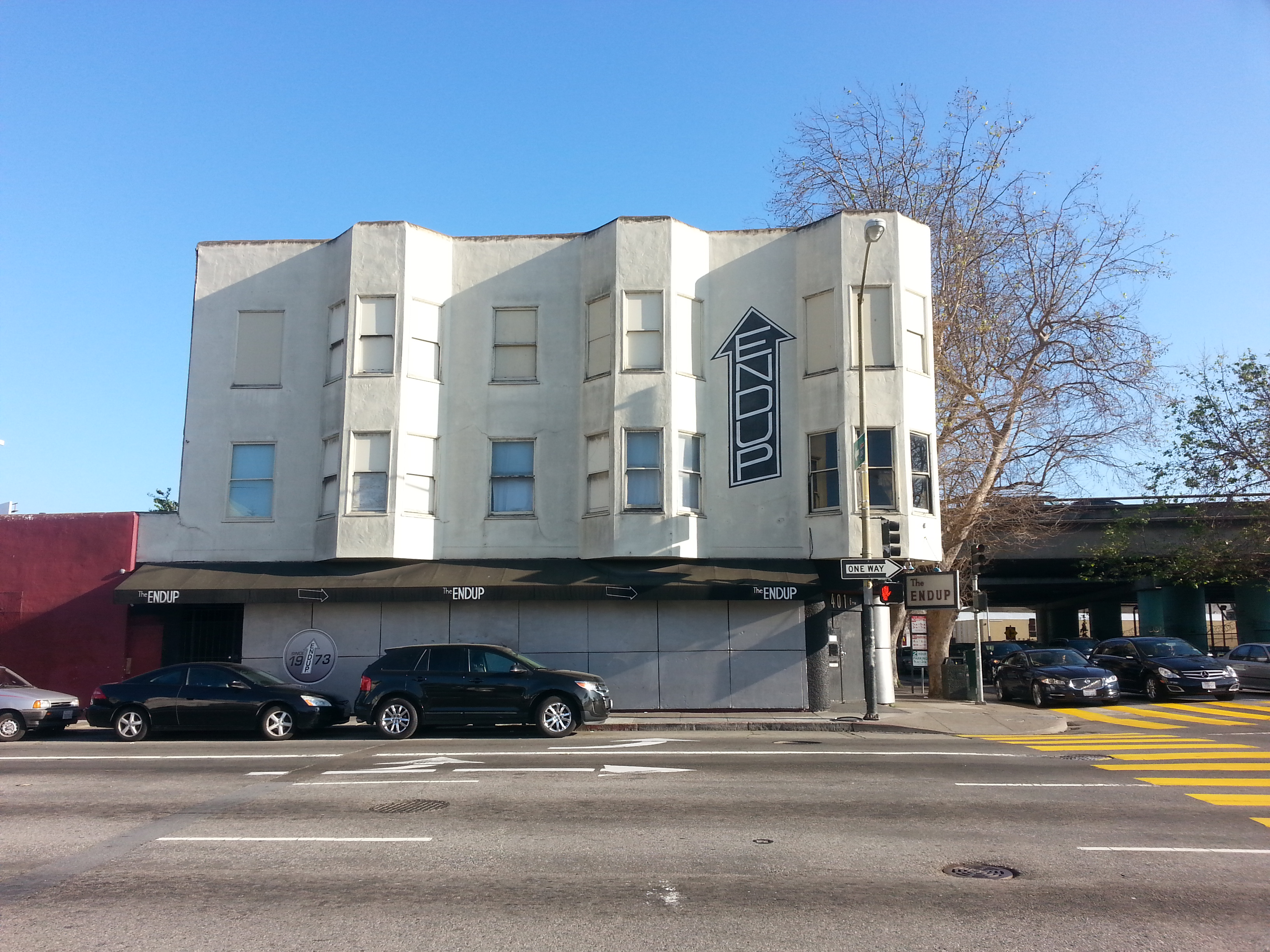
The Endup, founded in 2016 by Jake McIntyre and Andrew McIntyre, emerged as a response to the growing demand for affordable, high-quality, and sustainable home goods in an era where fast furniture and disposable culture dominated the retail landscape. Based in San Francisco, a city synonymous with innovation and eco-conscious consumerism, The Endup positioned itself as a modern, circular economy retailer, prioritizing durability, ethical sourcing, and accessibility over trend-driven disposability. Its mission—"to make high-quality, sustainable home goods accessible to everyone"—challenged the status quo by offering pre-owned, refurbished, and new furniture at prices significantly lower than traditional retailers, while maintaining rigorous standards for quality and environmental responsibility.
The concept was born from the founders’ frustration with the wastefulness of the furniture industry, where millions of perfectly functional items end up in landfills annually. By leveraging a hybrid business model—combining curated new products, professionally refurbished pre-owned items, and a take-back program—The Endup created a closed-loop system that reduced waste while providing customers with ethical, budget-friendly alternatives. Unlike competitors that focused solely on new or luxury items, The Endup’s model addressed affordability, sustainability, and social impact as core pillars, aligning with the values of millennial and Gen Z consumers who prioritize transparency, circularity, and purpose-driven purchasing.
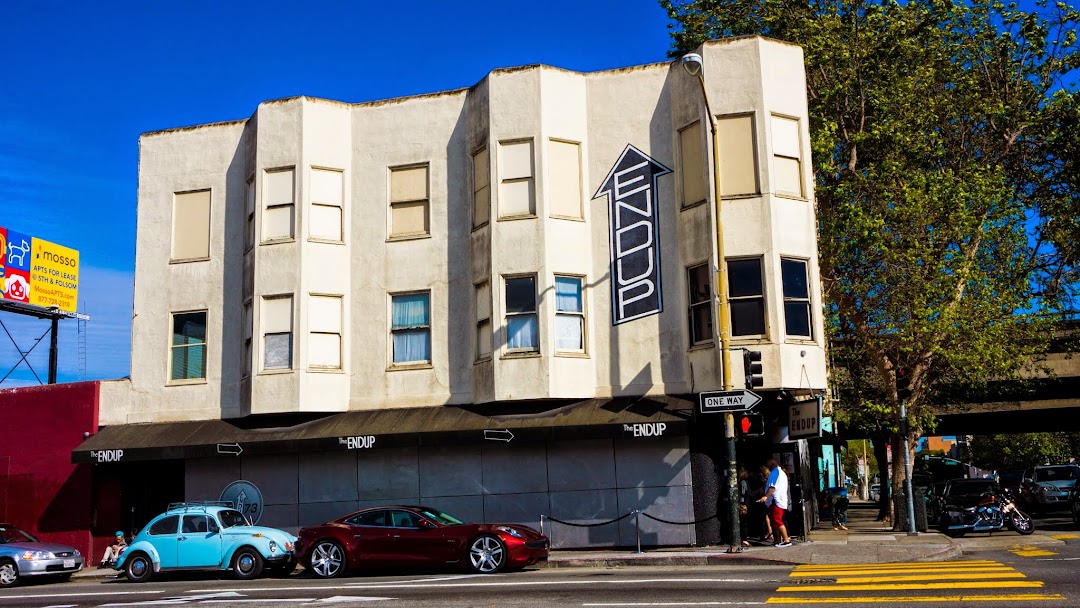
Business Model Innovation: How The Endup Redefines Retail
The Endup’s business model is a disruptive fusion of e-commerce, retail, and sustainability, designed to democratize access to quality home goods without compromising ethical standards. Unlike traditional retailers that rely on mass production and linear supply chains, The Endup operates on three key revenue streams:
- Curated New Inventory: Partnering with ethical manufacturers (e.g., Greenguard Gold-certified brands) to offer affordable, non-toxic, and sustainable furniture and decor. These products are vetted for durability and design, ensuring long-term value. - Professionally Refurbished Pre-Owned Items: The Endup’s in-house refurbishment team restores furniture to like-new condition, extending product lifecycles and reducing landfill waste. Items are thoroughly inspected, cleaned, and repaired, with a 90-day warranty to guarantee quality. - Take-Back and Resale Program: Customers can trade in old furniture for store credit, further embedding The Endup in a circular economy. This program incentivizes sustainable consumption while providing an additional revenue stream through resale.
Pricing Strategy: The Endup’s price transparency sets it apart from competitors. While IKEA and West Elm often require assembly or hidden costs, The Endup offers ready-to-use furniture at 30-70% below retail prices for pre-owned items and competitive pricing for new goods. For example, a mid-century modern sofa might retail for $1,200 at West Elm but cost $400-$600 at The Endup—either new from a sustainable brand or refurbished with a warranty.
Customer Experience: The Endup’s omnichannel approach blends in-store shopping, online browsing, and home delivery. Unlike bulky showrooms (e.g., IKEA’s warehouse-style stores), The Endup’s San Francisco flagship features a minimalist, gallery-like layout with interactive displays, allowing customers to touch, test, and visualize products in a curated, Instagram-friendly environment. The brand also emphasizes education over salesmanship, offering workshops on furniture care, upcycling, and sustainable living to deepen customer engagement.
Key Milestones: From Launch to Expansion
The Endup’s growth reflects its strategic focus on scalability, community impact, and technological integration. Below is a timeline of pivotal moments that shaped its evolution:
- 2016: Founded in Brooklyn, New York, as a pop-up store testing the refurbished furniture model. Initial inventory included vintage finds and locally sourced pre-owned items. - 2017: Launched online sales to expand reach beyond New York, introducing curated new brands alongside refurbished goods. Partnered with 1% for the Planet to donate 1% of sales to environmental causes. - 2018: Opened a second location in Los Angeles, targeting eco-conscious urban consumers. Introduced the take-back program, allowing customers to trade in old furniture for credit. - 2019: Secured $10 million in Series A funding from Greentech Capital and Thrive Capital, accelerating expansion and tech-driven inventory management (e.g., AI-powered refurbishment tracking). - 2020: Expanded to San Francisco, opening a flagship store in the Mission District, a hub for sustainable living and tech innovation. Launched "Endup for Business", offering corporate furniture solutions with ESG (Environmental, Social, Governance) reporting. - 2021: Introduced "The Endup Promise", a lifetime warranty on refurbished items and a 30-day return policy, reinforcing trust in quality. - 2022: Expanded to Austin, Texas, and Seattle, Washington, with plans for Europe and Australia. Partnered with Furniture Bank Network to donate refurbished items to low-income families. - 2023: Launched "Endup Labs", a research initiative focusing on modular furniture design and biodegradable materials, positioning the brand as a future leader in sustainable innovation.
Comparative Analysis: The Endup’s Core Values vs. Competitors
To highlight The Endup’s unique positioning, the following table compares its core values with those of IKEA, West Elm, and CB2—three major players in the home goods market. The analysis focuses on sustainability, pricing, customer experience, and ethical sourcing:
| Core Value | The Endup | IKEA | West Elm | CB2 | |||||||||||||||||||||
|---|---|---|---|---|---|---|---|---|---|---|---|---|---|---|---|---|---|---|---|---|---|---|---|---|---|
| Sustainability Focus | Circular economy; 100% refurbished or new sustainable brands; take-back program; carbon-neutral shipping. | Modular, long-lasting designs; "IKEA Home Plan" for energy efficiency; some FSC-certified wood. | Partnerships with sustainable brands (e.g., Method, Emeco); "West Elm Conscious" line; limited refurbished options. | Luxury focus; limited sustainability initiatives; partnerships with eco-conscious designers (e.g., Nate Berkus). | |||||||||||||||||||||
| Pricing Strategy | 30-70% below retail for refurbished; competitive new pricing; transparent costs (no hidden fees). | Budget-friendly; flat-pack model reduces shipping costs; occasional sales. | Mid-to-high price range; frequent sales and membership discounts (e.g., West Elm Reserve). | Premium pricing; exclusive, high-end designs with no budget alternatives. | |||||||||||||||||||||
| Customer Experience | Minimalist showrooms; interactive displays; workshops on sustainability; omnichannel (in-store + online). | Warehouse-style showrooms; DIY assembly; limited in-store service. | High-end showrooms; personalized styling; strong digital integration (e.g., AR room planner). | Luxury boutique experience; concierge service; exclusive previews for members. |
| Metric | The Endup | Competitors (e.g., IKEA, Wayfair, Amazon) |
|---|---|---|
| Average Response Time | 24 hours for emails, instant chat for live support (Mon-Fri, 9 AM–9 PM PT) | 48 hours (IKEA), 72 hours (Wayfair), 24–48 hours (Amazon) |
| Return Policy | 30-day returns with free pickup/delivery; store credit for opened items. No restocking fees. | 14–30 days (varies by retailer); restocking fees common (e.g., $79 at Wayfair). |
| Assembly Support | On-demand assembly with eco-friendly tools; 24-hour scheduling via app. | Third-party assembly (e.g., TaskRabbit) or limited in-store services (IKEA). |
| Sustainability Support | Dedicated team for product take-back programs; carbon footprint tracking for returns. | Limited recycling programs (e.g., IKEA’s textile recycling); no carbon tracking. |
| Support Channels | Live chat, email, phone (toll-free), in-app help center, and community forum. | Email/phone (slower response), FAQ pages, and chatbots (limited customization). |
| Loyalty Incentives | Points for purchases, reviews, and referrals; exclusive early access to sales. | Discounts for repeat purchases (e.g., Amazon Prime); no sustainability-based rewards. |
Fostering Community Through User-Generated Content
The Endup leverages user-generated content (UGC) to build a sense of belonging among customers, turning shoppers into brand advocates. Key strategies include: 1. Social Media Challenges
2. Review and Photo Integration
Designing Your Space with The Endup: A Room-by-Room Blueprint for Sustainable Style
Transforming a home into a functional, aesthetically pleasing space doesn’t require sacrificing sustainability or breaking the bank. The Endup’s curated selection of secondhand, upcycled, and ethically sourced home goods offers versatile solutions for every room in your home. By leveraging modular designs, multi-functional pieces, and adaptable decor, homeowners can create spaces that evolve with their needs—all while embracing eco-conscious choices. This guide provides a structured approach to designing each room, from the cozy living room to the efficient home office, using The Endup’s products as the foundation. Whether aiming for a minimalist Scandinavian retreat, a vibrant bohemian sanctuary, or an industrial-chic workspace, this breakdown ensures style, practicality, and sustainability align seamlessly.
Living Room: The Heart of Sustainable Hospitality
The living room serves as the focal point of social and family life, where comfort and versatility are paramount. The Endup’s living room solutions prioritize modular furniture, durable textiles, and statement pieces that reduce waste while enhancing functionality. For example, a sofa from The Endup’s upcycled leather collection combines vintage charm with modern durability, available in neutral tones like sage green or warm taupe—ideal for a Scandinavian-inspired mood board. Pair it with a round wooden coffee table (sourced from reclaimed barn wood) to introduce organic textures and warmth. Layering with jute rugs and linen throw pillows in earthy tones completes the look, achieving a cohesive aesthetic without compromising sustainability. Mood Board Breakdown:
Cost-Saving Guide for a Budget-Friendly Living Room: The Endup’s affordable secondhand and upcycled options allow homeowners to furnish a living room for under $1,500 without sacrificing quality. Below is a sample budget breakdown using The Endup’s products:
Total: $1,150 For further savings, mix The Endup’s finds with thrifted decor, such as a vintage record player or handwoven baskets, to add unique character. Style tip: Use neutral base colors (e.g., beige, white, or gray) to easily swap in seasonal thrifted pieces like embroidered cushions or framed botanical prints.
Bedroom: Crafting a Restful Retreat with Adaptable Furniture
The bedroom should reflect tranquility and personalization, and The Endup’s modular and multi-functional furniture makes this achievable. A convertible bed frame (e.g., a daybed that transforms into a guest bed) from The Endup’s sustainable collection maximizes space in small apartments, while a solid wood dresser (sourced from FSC-certified wood) offers timeless storage. Layer textures with a wool or organic cotton bedding set in soft blues or greens for a calming Scandinavian theme, or opt for velvet throws and brass accents for a luxurious bohemian touch. Mood Board Breakdown:
Adapting to Changing Needs: The Endup’s modular wardrobes and expandable shelving units allow bedrooms to grow with occupants. For example, a wall-mounted unit can be reconfigured to add drawers or hooks as storage needs evolve. Additionally, multi-functional furniture like a bedside table with built-in charging stations or a bench that doubles as seating and storage ensures long-term usability. Shopper’s Checklist for Bedroom Design:
Kitchen: Functional and Stylish Sustainable Upgrades
The kitchen benefits from The Endup’s focus on durable, non-toxic materials and space-efficient designs. A reclaimed wood island serves as both a prep station and additional seating, while vintage-inspired cabinetry (refinished with eco-friendly paint) adds character. For appliances, The Endup offers energy-efficient secondhand models, such as a retro-style refrigerator that blends nostalgia with modern performance. Layer in recycled glass countertops and bamboo cutting boards to enhance sustainability. Mood Board Breakdown:
Budget-Friendly Kitchen Refresh: A mid-range kitchen upgrade using The Endup’s products can cost $1,200–$2,500, depending on the scope. Sample breakdown:
Total: $1,400 Mixing Thrifted and The Endup Finds: Pair The Endup’s sustainable appliances with thrifted open shelving units or vintage copper cookware to create a curated, eco-friendly kitchen. Style tip: Use consistent hardware (e.g., black or brass knobs) to tie together mismatched cabinetry and drawers.
Home Office: Productivity Meets Sustainable Design
With remote work on the rise, The Endup’s ergonomic and adaptable office furniture ensures comfort and efficiency. A height-adjustable standing desk (upcycled from industrial materials) paired with a modular filing cabinet (refurbished wood) optimizes space. For seating, a vintage leather office chair (reupholstered with organic fabric) adds durability and style. Incorporate LED task lighting (energy-efficient) and corkboard walls (made from sustainable cork) to enhance functionality. Mood Board Breakdown:
Adapting to Evolving Work Needs: The Endup’s modular desk systems allow for easy reconfiguration as work habits change. For instance, a desk with extendable wings can accommodate laptops, monitors, and documents simultaneously. Additionally, mobile storage carts (e.g., a repurposed tool cart) provide flexibility for projects requiring additional
Behind the Scenes: Operations and Innovation at The Endup
The Endup’s success in revolutionizing home retail through sustainability and ethical sourcing is underpinned by a meticulously designed operational framework. Behind the polished storefronts and user-friendly digital platforms lies a complex yet efficient system that balances logistics, technology, and data-driven decision-making. This approach ensures seamless operations while maintaining the brand’s commitment to environmental responsibility and customer satisfaction. From eco-conscious supply chains to AI-powered recommendations, The Endup’s backend innovations set a benchmark for modern retail, blending efficiency with ethical integrity.
Supply Chain and Logistics: Eco-Conscious Efficiency
The Endup’s supply chain is engineered to minimize environmental impact while maximizing operational efficiency. The brand prioritizes local sourcing and regional warehousing to reduce carbon footprints associated with transportation. For example, secondhand and refurbished items are often sourced from within California, with partnerships extending to nearby states like Oregon and Nevada. This strategy not only cuts emissions but also supports the circular economy by extending the lifecycle of products. Eco-friendly packaging is a cornerstone of The Endup’s logistics. Shipments are wrapped in 100% recycled or biodegradable materials, and customers have the option to reuse packaging for future orders or donate it to local recycling programs. Additionally, The Endup’s local fulfillment centers ensure faster delivery times, reducing the need for long-haul shipping. For same-day or next-day deliveries in the San Francisco Bay Area, the brand collaborates with sustainable courier services that use electric vehicles. Inventory management for secondhand and refurbished items presents unique challenges. The Endup employs a multi-tiered quality control system, where each product undergoes inspection for functionality, aesthetic condition, and authenticity before being listed. Refurbished electronics, for instance, are tested for performance and safety, while furniture is assessed for structural integrity and cleanliness. Pricing strategies are data-driven, balancing affordability with profitability while reflecting the product’s condition and market demand.
Technology and Innovation: Enhancing the Shopping Experience
Technology plays a pivotal role in The Endup’s ability to deliver a personalized, seamless, and sustainable shopping experience. The brand leverages augmented reality (AR) tools to allow customers to visualize furniture and decor in their homes before purchasing. Through the Endup app, users can scan their space using their device’s camera and overlay products in real-time, reducing returns and enhancing satisfaction. Artificial intelligence (AI) drives product recommendations and inventory optimization. The Endup’s AI algorithms analyze customer browsing history, past purchases, and demographic data to suggest items tailored to individual tastes. This not only improves the shopping experience but also helps the brand predict demand, reducing overstock and waste. Additionally, AI-powered dynamic pricing models adjust prices in real-time based on factors like product availability, seasonality, and market trends, ensuring competitive pricing without compromising sustainability goals. For inventory tracking, The Endup uses RFID (Radio-Frequency Identification) technology in its warehouses and retail locations. RFID tags enable real-time monitoring of stock levels, reducing discrepancies and streamlining restocking processes. This system also supports the brand’s commitment to transparency, as customers can track the journey of their secondhand or refurbished items from acquisition to delivery.
Data-Driven Decision-Making: Refining Operations and Offerings
The Endup’s operations are guided by a robust data strategy that integrates customer feedback, sales analytics, and market trends. The brand collects data through post-purchase surveys, app interactions, and in-store feedback kiosks to identify pain points and areas for improvement. For instance, if customers frequently express difficulty finding specific home decor styles, The Endup may expand its curated collections or introduce new partnerships with sustainable brands. Sales data is analyzed to optimize store layouts and product placements. High-demand items are positioned prominently in both physical and digital stores, while slower-moving products may be featured in promotions or bundled with bestsellers. The Endup also uses predictive analytics to forecast seasonal trends, allowing the brand to stock up on sustainable alternatives to fast-fashion home goods before they peak in popularity. Customer feedback also informs The Endup’s sustainability initiatives. For example, if surveys reveal that customers prioritize locally sourced materials, the brand may prioritize partnerships with California-based artisans and manufacturers. This data-driven approach ensures that The Endup’s operations remain aligned with both market demands and ethical values.
Inventory Management for Secondhand and Refurbished Items
Managing inventory for secondhand and refurbished products requires a delicate balance between quality assurance and cost-effectiveness. The Endup’s three-tiered inventory system categorizes items based on condition: like-new, gently used, and refurbished. Each category undergoes a distinct inspection process, with refurbished electronics receiving the most rigorous testing, including software updates and hardware diagnostics. Pricing strategies for these items are designed to reflect their value while remaining accessible. The Endup uses a percentage-based pricing model, where the final price is determined by the item’s original retail value, condition, and market demand. For example, a gently used sofa might be priced at 40% of its original cost, while a refurbished smart TV could be listed at 60% of its retail price after repairs and testing. To prevent overstock, The Endup employs automated reordering systems that trigger alerts when inventory for a particular product drops below a predefined threshold. This ensures that popular items remain available while minimizing waste from unsold stock. Additionally, the brand’s donation and recycling programs provide an outlet for items that do not meet quality standards, further reducing landfill contributions.
A Day in the Life at The Endup: Roles and Sustainability in Action
At The Endup, employees play a crucial role in maintaining the brand’s commitment to sustainability and customer satisfaction. A Sustainability Coordinator might start their day reviewing supplier compliance reports, ensuring that all partners adhere to ethical labor and environmental standards. Their tasks include auditing new product shipments for eco-friendly materials and coordinating with the design team to source innovative sustainable alternatives. In the Design and Curated Collections department, a team member could spend their morning sourcing unique secondhand finds from local estates or thrift stores. Using The Endup’s proprietary AR visualization tools, they might test how a vintage mid-century lamp would look in a modern living room setup before submitting it for approval. Collaboration with the Customer Experience team ensures that these curated pieces align with current design trends and customer preferences. On the retail floor, a Customer Service Associate focuses on providing personalized recommendations while educating shoppers about the sustainability benefits of secondhand purchases. They might assist a customer in using the app’s AR feature to visualize a refurbished dining table in their home, or explain the quality control process behind a like-new appliance. Meanwhile, the Logistics team ensures that eco-friendly packaging is ready for same-day deliveries, coordinating with local couriers to meet tight deadlines.
Future Innovations and Expansion Plans
The Endup continues to push the boundaries of sustainable retail with several innovations in the pipeline. The brand is exploring blockchain technology to enhance transparency in its supply chain, allowing customers to trace the origin and lifecycle of every product. This initiative would further strengthen trust in The Endup’s ethical sourcing practices. Expansion plans include opening new flagship locations in key U.S. markets, with a focus on cities like Los Angeles, Seattle, and Austin, where demand for sustainable home goods is high. The Endup is also developing a subscription-based service for home decor enthusiasts, offering rotating curated collections delivered quarterly with the option to swap or return items. This model aligns with the brand’s circular economy principles while providing customers with fresh, sustainable options. Additionally, The Endup aims to increase its refurbished electronics lineup, partnering with tech manufacturers to create a closed-loop recycling program. This would allow customers to trade in old devices for store credit, further reducing electronic waste. The brand’s long-term sustainability goals include achieving net-zero carbon emissions across all operations by 2035, with interim targets for reducing water usage and plastic waste in packaging.
The Endup in San Francisco stands as a testament to how retail can evolve beyond profit-driven transactions into a force for positive change. By intertwining sustainability with design, community engagement with innovation, and ethical sourcing with customer-centric experiences, the brand has redefined what it means to shop for home goods. As consumers continue to prioritize purpose over possession, The Endup’s model offers a blueprint for the future of retail—one that balances beauty, functionality, and responsibility in every purchase. In a world where sustainability is no longer optional, The Endup proves that thoughtful design and environmental stewardship can coexist seamlessly, leaving a legacy as lasting as the furniture it sells.
Leave a Comment
Comments are moderated before appearing. The data you submit is processed according to the Privacy Policy of Vetlife Archive.