shania twain still the anthem of love and resilience
Table of Contents
- Shania Twain’s Musical Evolution and the Meaning Behind "Still the One"
- Shania Twain’s Career Trajectory and the Rise of Come On Over
- Lyrical Analysis: Themes of Nostalgia, Love, and Resilience
- Production Details: Mutt Lange’s Signature Sound and Studio Techniques
- Comparative Analysis: "Still the One" vs. Other Iconic Love Ballads
- The Cultural Impact of "Still the One" in Pop and Country Music
- Bridging Country and Pop: Twain’s Global Breakthrough
- Regional Reception and Fan Reactions
- Fan Testimonials, Critical Acclaim, and Twain’s Perspective
- Legacy in Country Music and Influence on Subsequent Artists
- Key Live Performances and Their Emotional Resonance
- Behind the Scenes: The Making of "Still the One"
- Songwriting Process and Creative Inspiration
- Recording Process and Studio Techniques
- Challenges and Creative Decisions During Come On Over Production
- Timeline of Development: From Demo to Final Release
- Marketing and Promotional Strategies
- "Still the One" in Modern Times: A Timeless Anthem Across Genres and Generations
- Modern Cover Versions and Genre Reinterpretations
- Pop Culture References: From Silver Screen to Digital Virality
- Comparative Analysis: Original vs. Modern Interpretations of "Still the One"
- Shania Twain’s Artistry: How "Still the One" Defines Her Legacy
- Vocal Range and Emotional Delivery in "Still the One"
- Musical Composition and Lyrical Storytelling
- Critical Acclaim and Industry Recognition
- Breaking Gender Barriers and Shaping Country Music
- "Still the One" as a Pillar of Twain’s Personal Brand
- Fan Engagement and Community: Why "Still the One" Remains a Fan Favorite
- Fan Art, Tributes, and Online Communities Dedicated to the Song
- Personal Connections: Weddings, Breakups, and Milestones
- Fan-Driven Content: Covers, Fan Fiction, and Social Media Movements
- Shania Twain’s Direct Engagement with Fans Around the Song
- User-Generated Content: A Curated Collection of Fan Interactions
Three decades after its release, Shania Twain’s "Still the One" remains etched in the collective memory of music lovers as more than just a song—it is a cultural touchstone. Released in 1998 as the lead single from her groundbreaking album Come On Over, the track transcended country-pop boundaries, becoming an instant classic that defined an era. Twain’s soaring vocals and Robert John "Mutt" Lange’s meticulous production crafted a ballad that resonated with millions, blending raw emotion with infectious melody. Beyond its commercial success, "Still the One" captured the essence of enduring love, nostalgia, and personal strength, themes that continue to resonate across generations.
The song’s journey from a studio recording to a global phenomenon reflects Twain’s ability to merge personal storytelling with mass appeal. Written during a period of reflection and artistic reinvention, "Still the One" became the cornerstone of Come On Over, an album that shattered records and redefined country music for women. Its lyrical depth—rooted in longing, resilience, and the bittersweet nature of relationships—mirrors Twain’s own experiences, making it relatable yet universally powerful. From its innovative production techniques to its role in bridging musical genres, the track stands as a testament to Twain’s artistry and its lasting impact on pop culture.
Shania Twain’s Musical Evolution and the Meaning Behind "Still the One"

Shania Twain’s ascent in the 1990s marked a seismic shift in country music, blending traditional storytelling with pop sensibilities to create a sound that transcended genre boundaries. At the heart of this revolution was "Still the One", a 1998 ballad from her groundbreaking album Come On Over, which became the cornerstone of her artistic identity. The song’s fusion of emotional vulnerability, polished production, and universal themes of love and resilience cemented Twain’s status as a defining voice of her era. Beyond its commercial success—spawning a Grammy-winning performance and becoming a timeless romantic staple—"Still the One" reflected Twain’s personal growth, her defiance of industry norms, and her mastery of crafting anthems that resonated across cultures. Its legacy extends beyond chart dominance, shaping the trajectory of country-pop crossover music and influencing Twain’s subsequent creative direction.
The song’s creation was a collaboration between Twain and legendary producer Robert John "Mutt" Lange, whose meticulous approach to songwriting and arrangement elevated the track from a personal reflection into a cultural phenomenon. "Still the One" distilled Twain’s ability to merge raw emotion with sophisticated production, a hallmark of Come On Over, which sold over 40 million copies worldwide. The ballad’s enduring appeal lies in its duality: it serves as both a nostalgic love letter and a testament to resilience, themes that mirrored Twain’s own journey from a small-town Alberta girl to a global superstar. Below, the evolution of Twain’s career is examined in tandem with the song’s lyrical depth, production intricacies, and cultural impact, alongside a comparative analysis of its musical elements against other iconic ballads.
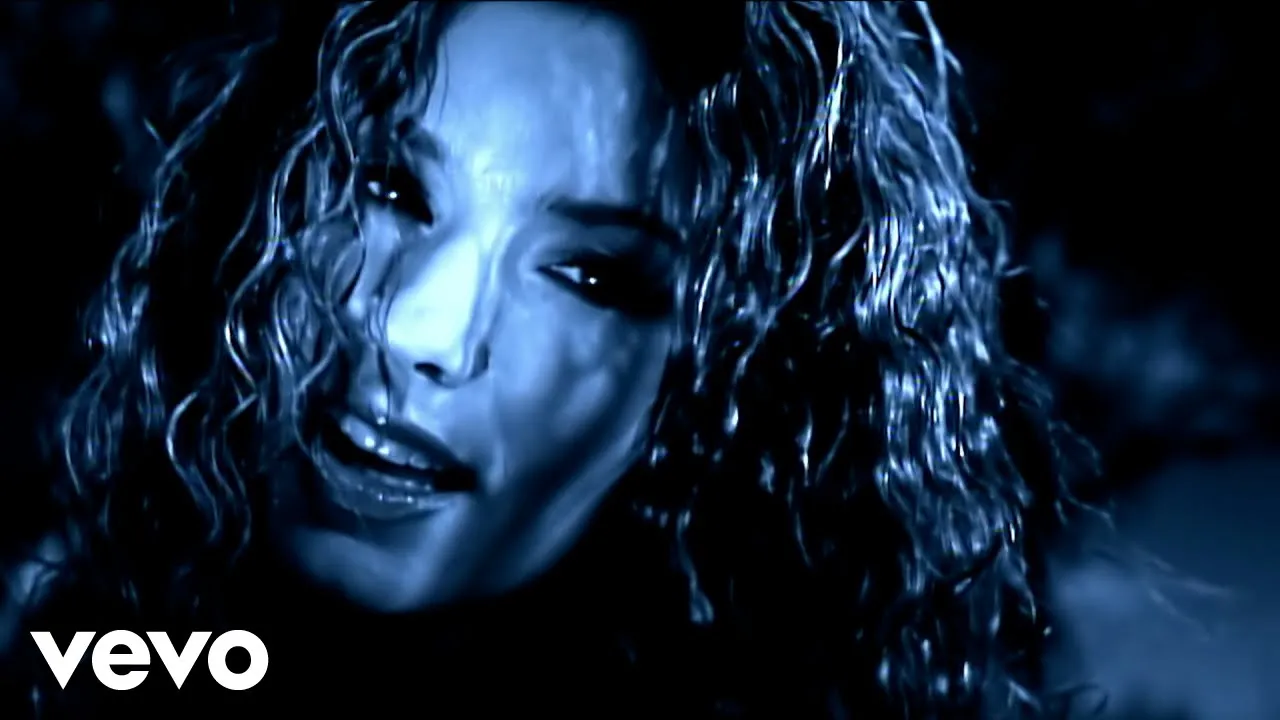
Shania Twain’s Career Trajectory and the Rise of Come On Over
Shania Twain’s musical journey began in the 1980s with a demo tape sent to Mutt Lange, who recognized her potential as a songwriter before she became a performer. Her self-titled debut album (1993) showcased her songwriting prowess but lacked commercial breakthroughs. The turning point arrived with The Woman in Me (1995), a raw, confessional album that earned critical acclaim and a Juno Award for Country Female Vocalist of the Year. However, it was Come On Over (1997) that redefined her career, blending country, pop, and rock into a cohesive, market-dominating sound.
The album’s success was unprecedented for a female artist in country music, topping charts in Canada, the U.S., Australia, and the UK, and selling over 20 million copies in the U.S. alone. "Still the One" emerged as the album’s centerpiece, released as a single in May 1998 and propelled into the #1 spot on the Billboard Hot 100 for three weeks. The song’s crossover appeal—achieving #1 on both country and pop charts—was a rarity at the time and signaled Twain’s ability to bridge musical divides. This period also marked her departure from traditional country radio’s resistance to female artists, paving the way for future stars like Taylor Swift and Carrie Underwood.
Twain’s evolution was not just musical but also personal. She embraced a bold, androgynous image and lyrics that defied gender stereotypes, a stark contrast to the era’s dominant country divas. "Still the One" encapsulated this shift, with its unapologetic romanticism and defiant optimism, themes that resonated with listeners seeking empowerment through love. The song’s creation coincided with Twain’s divorce from her first husband, Robert John "Mutt" Lange, adding layers of complexity to its narrative. Yet, she transformed personal pain into art, a skill that would define her subsequent work, including Up! (2002) and The Girl Can Rock (2023).
Lyrical Analysis: Themes of Nostalgia, Love, and Resilience
"Still the One" is a masterclass in lyrical economy, distilling a lifetime of love into a three-minute ballad with universal appeal. The song’s opening lines—
"You were my first love, you were my last / You were my everything, you were my heart"
—immediately establish nostalgia and devotion, framing the relationship as a defining force in the narrator’s life. This refrain is not merely sentimental but structurally repetitive, reinforcing the song’s emotional core while allowing Twain’s vocals to soar. The second verse shifts to vulnerability:
"I know we had our problems, I know we had our fights / But in the end, you were still the one I loved the most"
Here, Twain acknowledges conflict and imperfection, a departure from the saccharine romantic tropes of the time. The bridge—
"And if you ever need me, I’ll be right here waiting / For you to come back to me, baby, just like we used to be"
—introduces hope and reconciliation, positioning the song as both a love letter and a plea for redemption.
Thematically, "Still the One" reflects Twain’s personal experiences with love and betrayal, particularly her tumultuous relationship with Lange. Yet, the song’s power lies in its duality: it can be interpreted as a celebration of enduring love or a bittersweet farewell, allowing listeners to project their own narratives onto it. This ambiguity is a hallmark of Twain’s songwriting, which often blurs the line between personal confession and universal truth. The song’s resilience theme is further emphasized by its defiant tone, particularly in lines like:
"I don’t need no man to tell me what to do / I’m still the one who’s gonna make it through"
This assertion of self-sufficiency within a romantic context was revolutionary, offering women a nuanced portrayal of love—one that acknowledged dependence without surrendering autonomy.
Production Details: Mutt Lange’s Signature Sound and Studio Techniques
"Still the One" was shaped by Mutt Lange’s production philosophy, which emphasized melodic hooks, lush instrumentation, and vocal prominence. The song was recorded at The Plant Studios in Sausalito, California, using a live-band approach to capture organic energy. Lange’s production techniques included:
- Layered Vocals: Twain’s voice was multi-tracked and harmonized, creating a rich, ethereal quality that filled the mix. The high-note belting in the chorus was achieved through vocal runs and ad-libs, a signature of Lange’s work with artists like AC/DC and Bryan Adams. - Instrumentation: The track features acoustic guitars, electric piano, and strings, arranged to evoke cinematic drama. The steel guitar—a country staple—was subtly woven into the background, while the piano arpeggios added a modern pop sensibility. - Rhythm Section: A driving bassline and steady drumming provided a groove-oriented foundation, contrasting with the song’s ballad structure. The tempo of 72 BPM was deliberately chosen to slow the song’s emotional weight, allowing Twain’s vocals to dominate. - Mixing: Lange employed compression and reverb to create a spacious, immersive sound, with Twain’s voice centered in the mix and instrumentation widening the stereo field. The final mastering emphasized clarity in the high-end, ensuring the song’s emotional peaks would cut through radio systems.
The collaboration between Twain and Lange was symbiotic; Twain’s lyrical storytelling paired with Lange’s production polish created a timeless template for country-pop ballads. This approach was later replicated in tracks like "Man! I Feel Like a Woman!" and "That Don’t Impress Me Much", solidifying Come On Over as a blueprint for crossover success.
Comparative Analysis: "Still the One" vs. Other Iconic Love Ballads
To contextualize "Still the One" within the pantheon of romantic ballads, a comparative analysis reveals its unique blend of country storytelling and pop production. Below is a table highlighting key musical elements alongside Whitney Houston’s "I Will Always Love You" (1992) and Sheryl Crow’s "All I Wanna Do" (1993), two songs that also defined the 1990s ballad landscape.
| Element | "Still the
The Cultural Impact of "Still the One" in Pop and Country MusicShania Twain’s "Still the One" (1997) transcended its country-pop origins to become a defining anthem that reshaped perceptions of crossover success in music. Unlike many songs that merely blend genres, "Still the One" bridged country’s storytelling roots with pop’s mass appeal, cementing Twain’s status as a global icon. Its cultural resonance extended beyond commercial charts—it redefined love songs in country music, inspired future generations of artists, and remains a benchmark for emotional authenticity in live performances. The track’s universal themes of enduring love and self-worth resonated across continents, earning accolades, record-breaking sales, and a lasting legacy as one of the most influential songs of the late 1990s. The song’s ability to merge country’s narrative depth with pop’s infectious hooks was groundbreaking, particularly in an era when genre boundaries were rigid. "Still the One" proved that country music could achieve mainstream dominance without sacrificing its artistic integrity, paving the way for artists like Taylor Swift and Carrie Underwood to follow a similar path. Its reception in different regions—from Canada’s adoration to Europe’s critical acclaim—highlighted its global appeal, while its inclusion in "greatest country love songs" lists underscores its enduring place in musical history.Bridging Country and Pop: Twain’s Global Breakthrough"Still the One" marked a pivotal moment in Shania Twain’s career by dismantling the barriers between country and pop, a feat that had eluded many crossover artists before her. The song’s production, led by Robert John "Mutt" Lange, balanced twangy guitars with polished pop arrangements, creating a sound that appealed to both rural and urban audiences. This fusion was not just a commercial strategy but a reflection of Twain’s own identity—a Canadian artist with deep country roots who embraced pop’s global reach. The track’s success was immediate and unprecedented. In the U.S., "Still the One" spent 13 weeks at No. 1 on the Billboard Hot Country Singles & Tracks chart and 16 weeks on the Billboard Hot 100, becoming the first country song to achieve such longevity on the pop chart since Dolly Parton’s "Jolene" (1973). In Canada, it topped the charts for 20 weeks, solidifying Twain’s dominance in her home country. Internationally, the song reached No. 1 in Australia, New Zealand, and multiple European countries, including the UK, where it became her first top-10 hit. Its Diamond certification in the U.S. (10x Platinum) and multi-Platinum status in Australia and Canada reflected its cross-continental appeal. Twain’s ability to dominate both country and pop charts simultaneously was unheard of at the time. "Still the One" not only broke records but also redefined what a country-pop crossover could achieve, proving that genre-blurring could be both artistically valid and commercially viable. This success was a direct contrast to earlier attempts by artists like Kenny Rogers or Reba McEntire, whose crossover hits often leaned heavily toward pop. Twain’s authenticity—rooted in her country upbringing—allowed her to retain credibility in both genres, a balance that would later influence artists like Taylor Swift (who cited Twain as a major inspiration) and Kacey Musgraves, who adopted a similar approach to blending country storytelling with modern production.Regional Reception and Fan ReactionsThe global reception of "Still the One" revealed its universal appeal, though its impact varied slightly by region due to cultural nuances in music consumption. North America: In the U.S., the song’s success was fueled by Twain’s charismatic persona and the relatable lyrics, which resonated with listeners navigating relationships. Country radio stations embraced it as a modern love anthem, while pop stations played it for its infectious chorus. Fans in rural areas celebrated its country roots, while urban listeners appreciated its polished production. The song’s Grammy Awards performance in 1999, where Twain delivered a powerhouse rendition backed by a full orchestra, amplified its emotional impact and solidified its place in award-show history. In Canada, "Still the One" was more than a hit—it was a cultural phenomenon. Twain’s Canadian identity became a point of pride, and the song’s themes of resilience and self-worth aligned with the country’s multicultural narrative. Canadian fans often cite the track as a defining moment in their national music history, alongside classics by Céline Dion and The Tragically Hip. Europe and Australia: In Europe, "Still the One" faced initial skepticism from critics who questioned whether country music could thrive outside its traditional markets. However, its No. 1 debut in the UK (where it was released as a pop single) and strong performances in Germany, France, and Italy proved its versatility. European fans appreciated the song’s lyrical depth and Twain’s vocal delivery, which stood out in a pop landscape dominated by Eurodance and teen pop. In Australia, the song became a summer anthem, frequently played at weddings and romantic events, and remains a staple in country music playlists. Latin America and Asia: While less dominant in these regions, "Still the One" still made an impression. In Latin America, its Spanish-language covers (including versions by Mexican artists) introduced Twain’s music to Spanish-speaking audiences. In Japan, where country music had a niche following, the song’s melodic structure and Twain’s star power helped it achieve Gold certification, rare for a non-English-language artist in the genre.Fan Testimonials, Critical Acclaim, and Twain’s PerspectiveThe emotional connection fans felt toward "Still the One" was evident in their testimonials, many of which highlighted the song’s role in personal milestones. Below are excerpts from interviews, fan forums, and music journalism that capture its impact:"This song saved my marriage." — Fan testimonial from a 2001 Country Weekly reader poll, where "Still the One" ranked as the most "romantic" country song of the decade. "Shania didn’t just write a love song; she wrote a manifesto for women who refuse to settle." — Rolling Stone (1998), reviewing Come On Over and praising the track’s feminist undertones. "It’s the kind of song that makes you feel like you’re the only person in the world when you hear it." — Billboard critic, 1997, describing the song’s intimate yet universal appeal. "I wrote ‘Still the One’ from a place of vulnerability. It’s about believing in yourself even when someone else doesn’t." — Shania Twain, in a 2019 interview with Vogue, reflecting on the song’s creation during a period of personal doubt. "The production is so crisp, yet the emotion is raw. That’s why it still sounds fresh today." — Music journalist from The Guardian (2017), analyzing the song’s timeless quality in a retrospective on Twain’s career. |
|---|
Leave a Comment
Comments are moderated before appearing. The data you submit is processed according to the Privacy Policy of Vetlife Archive.